Anything at All
One day, this will be beautiful - not today.
Kitbash is a band - we have an album. Two, actually.
Check out our new album, Time in Windows - complete with pictures, lyrics, and liner notes for each song!

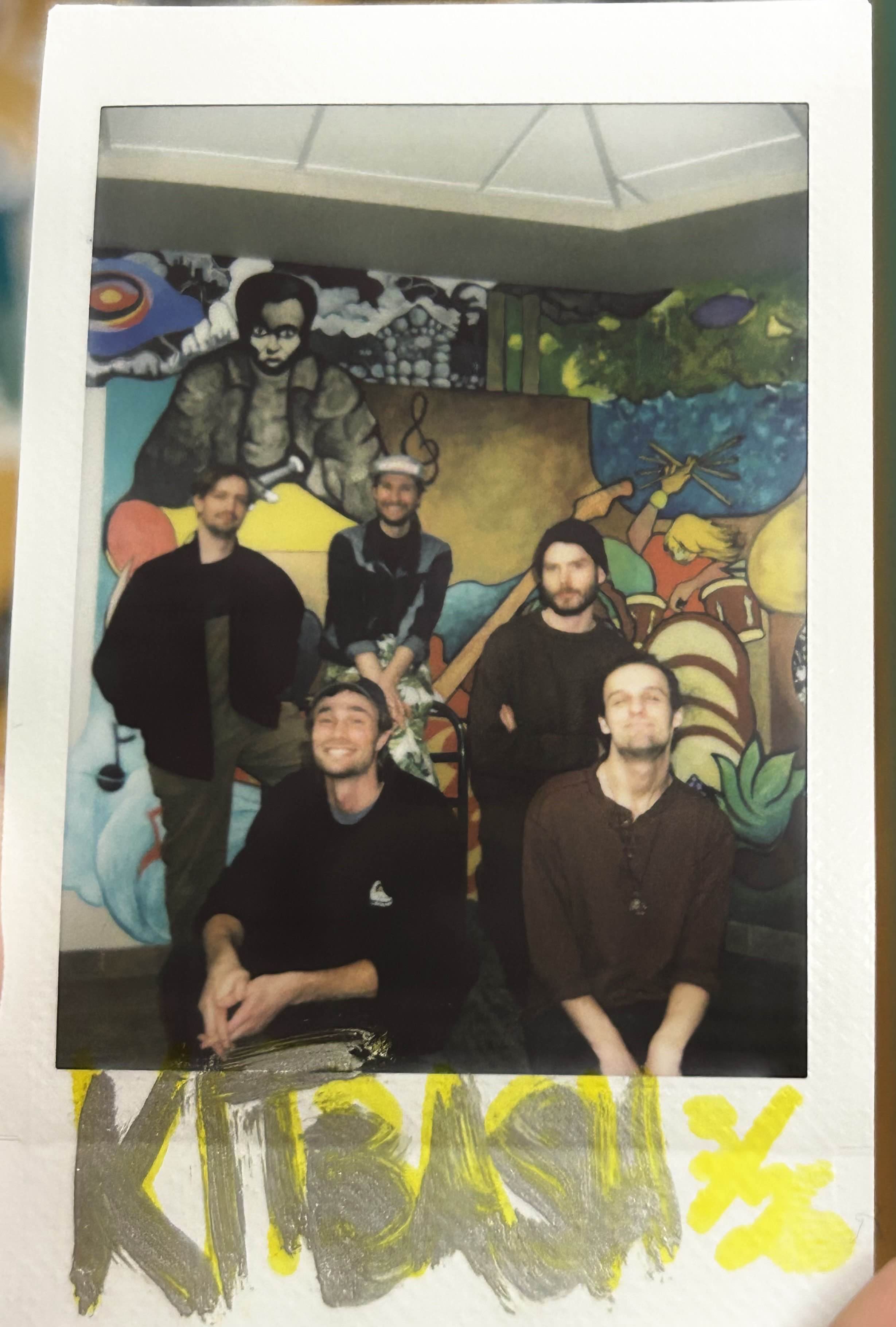
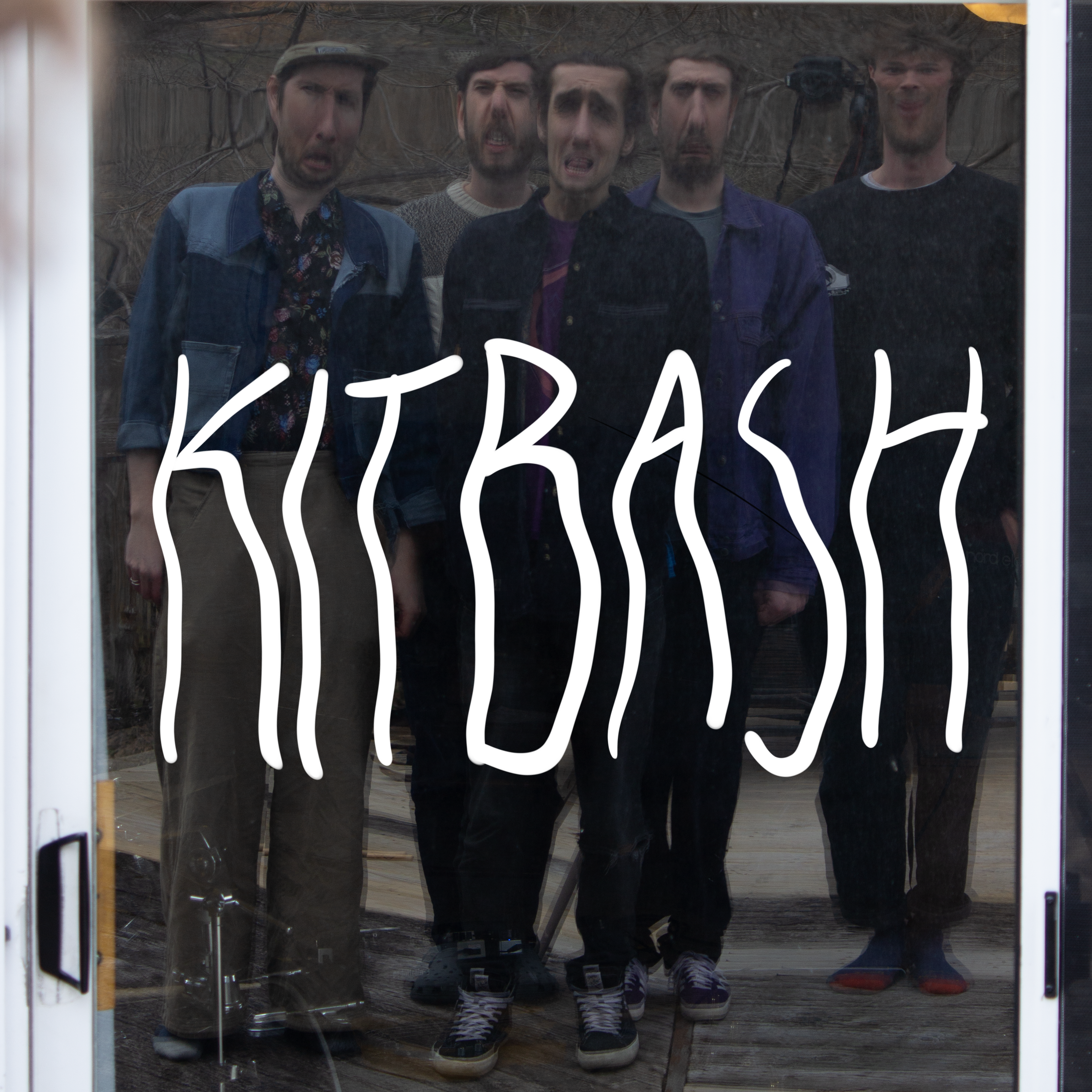
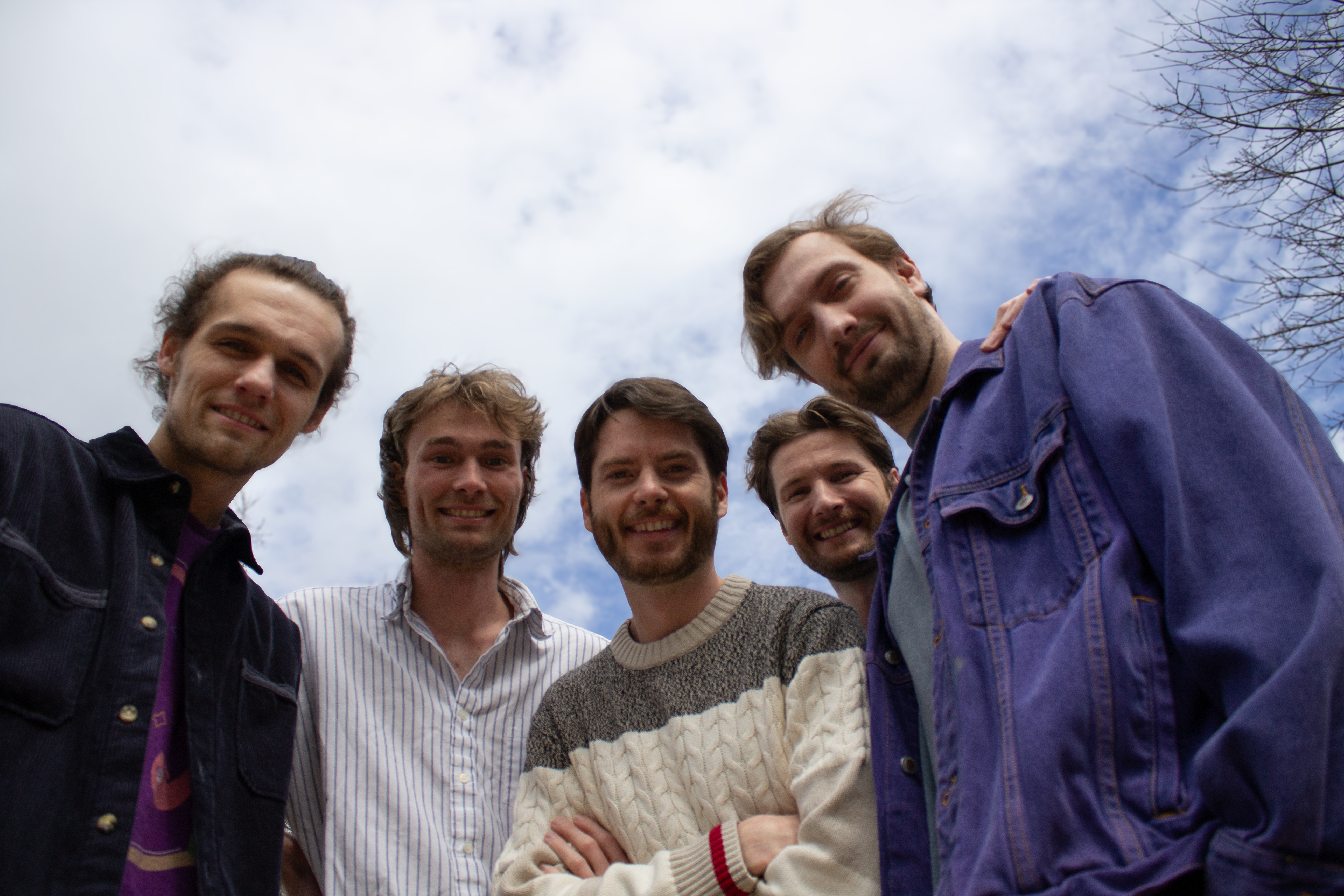
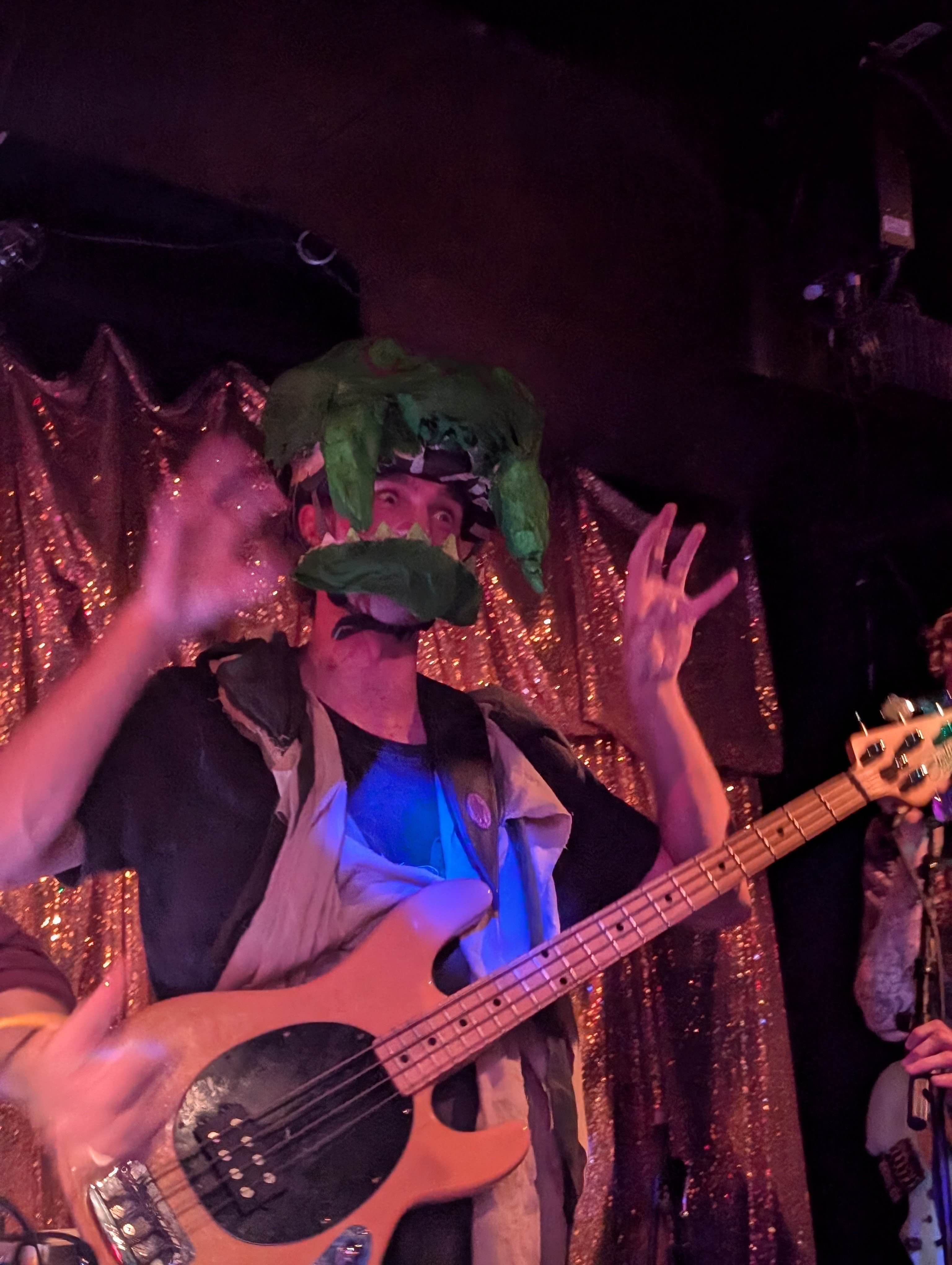
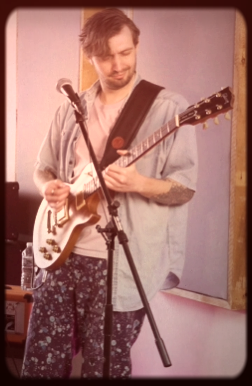
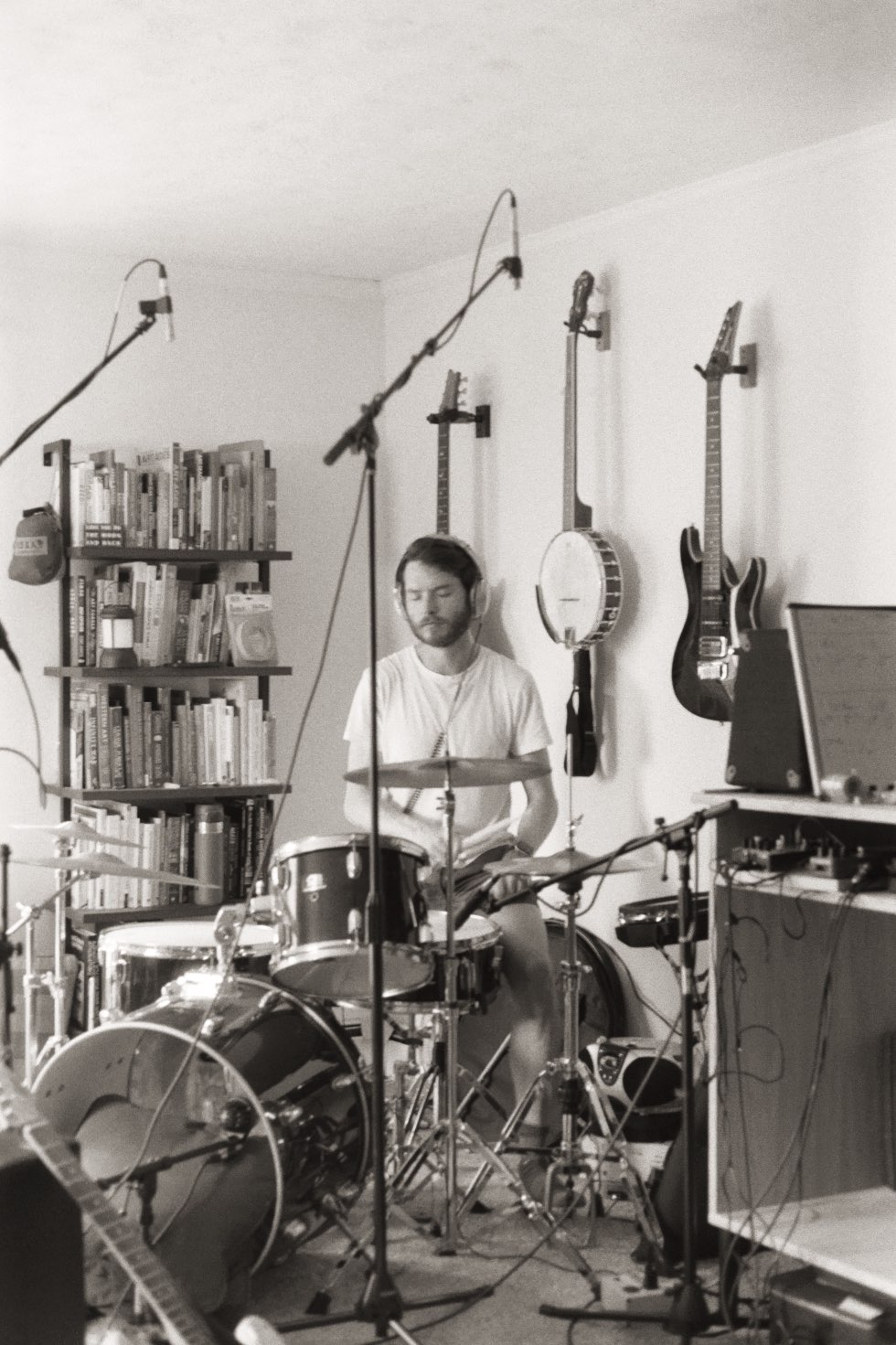
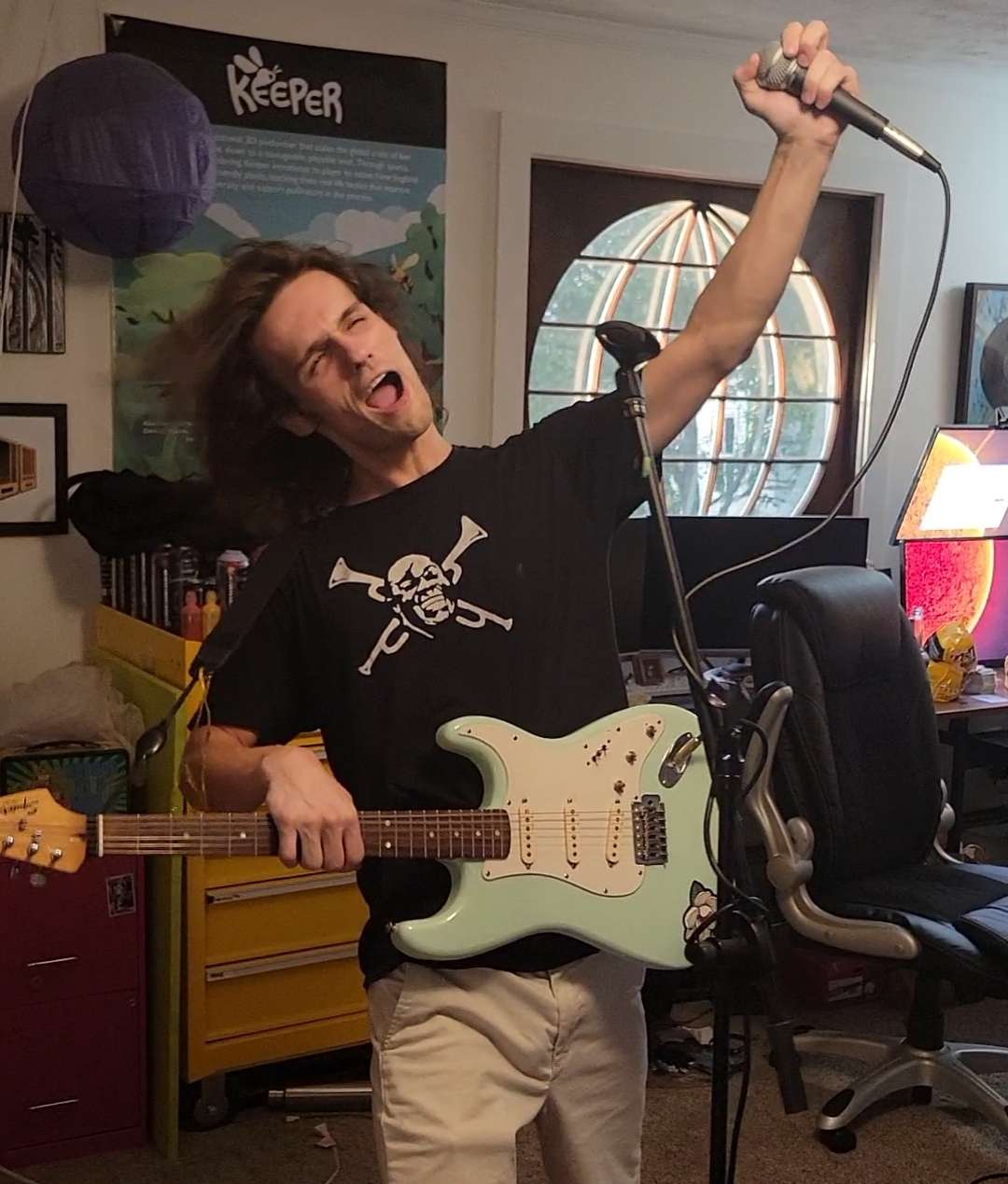
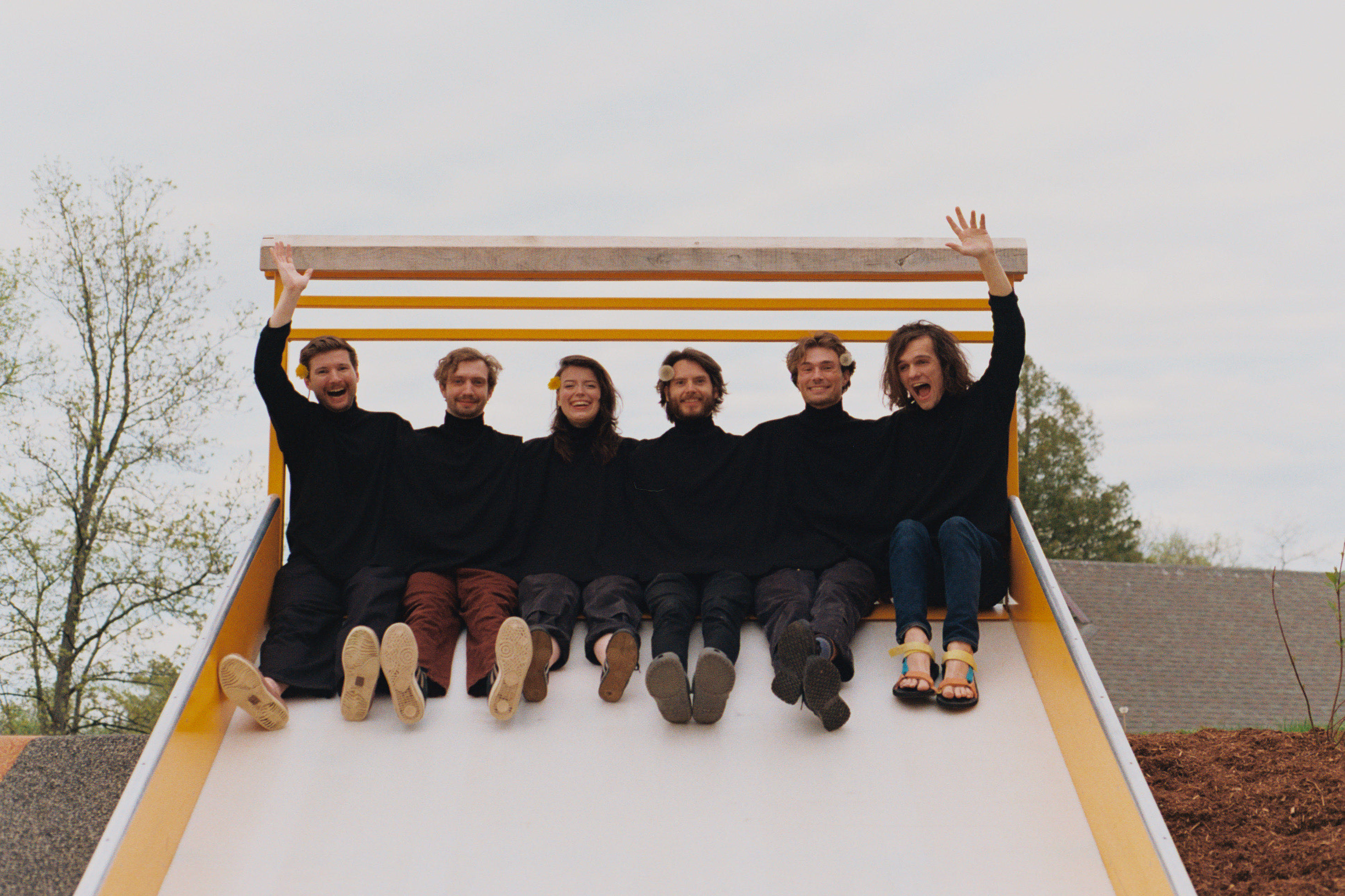
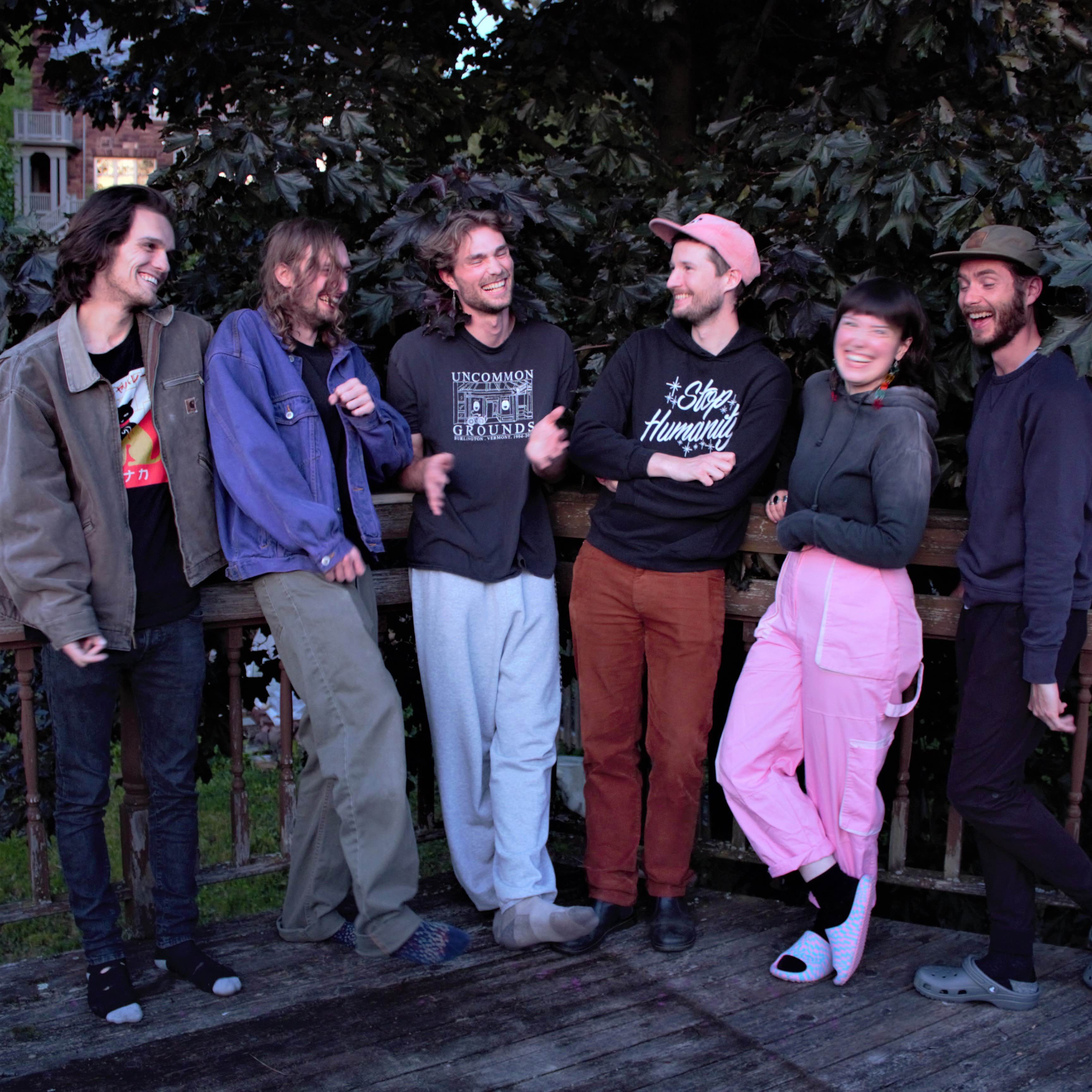
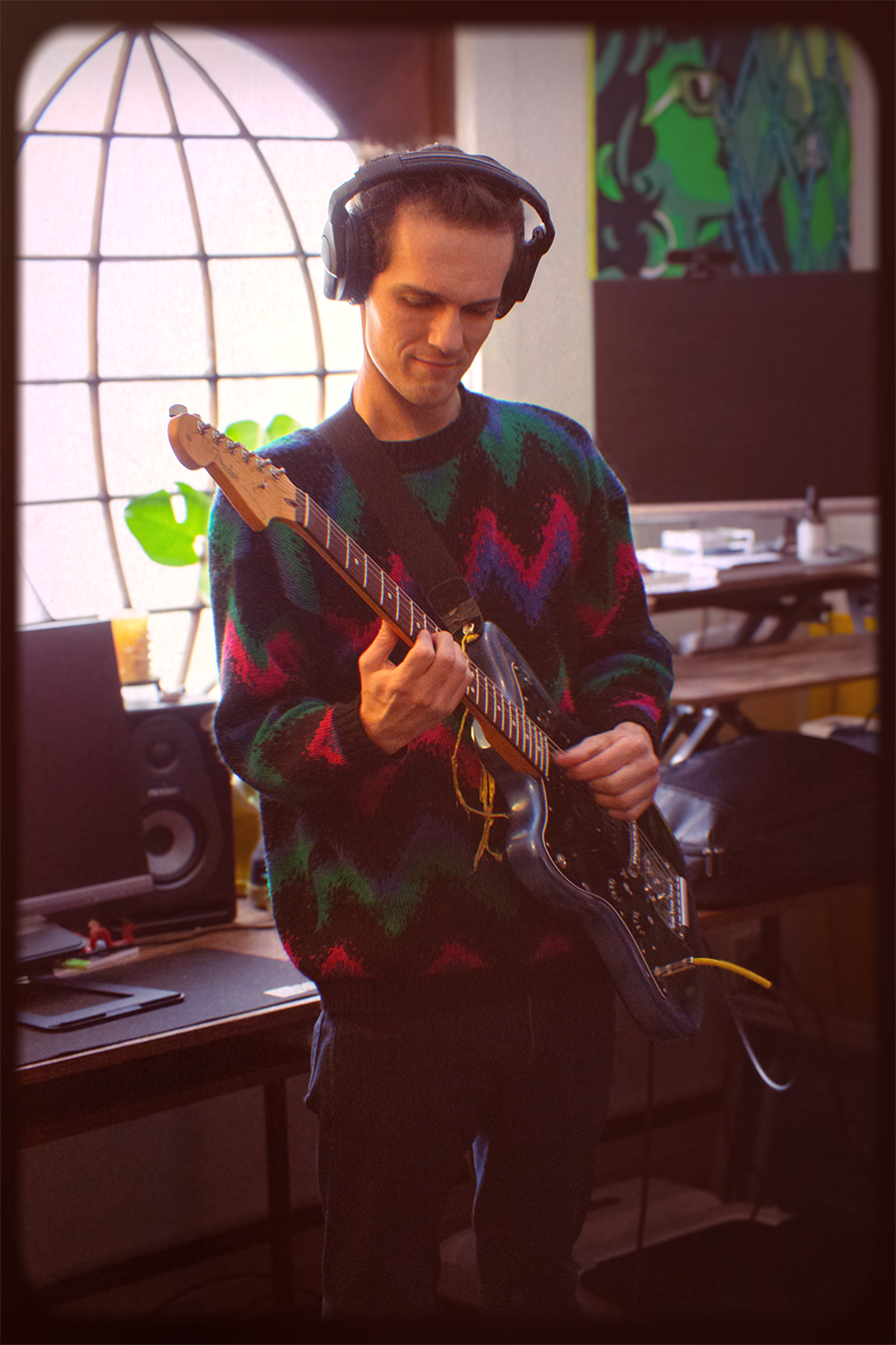
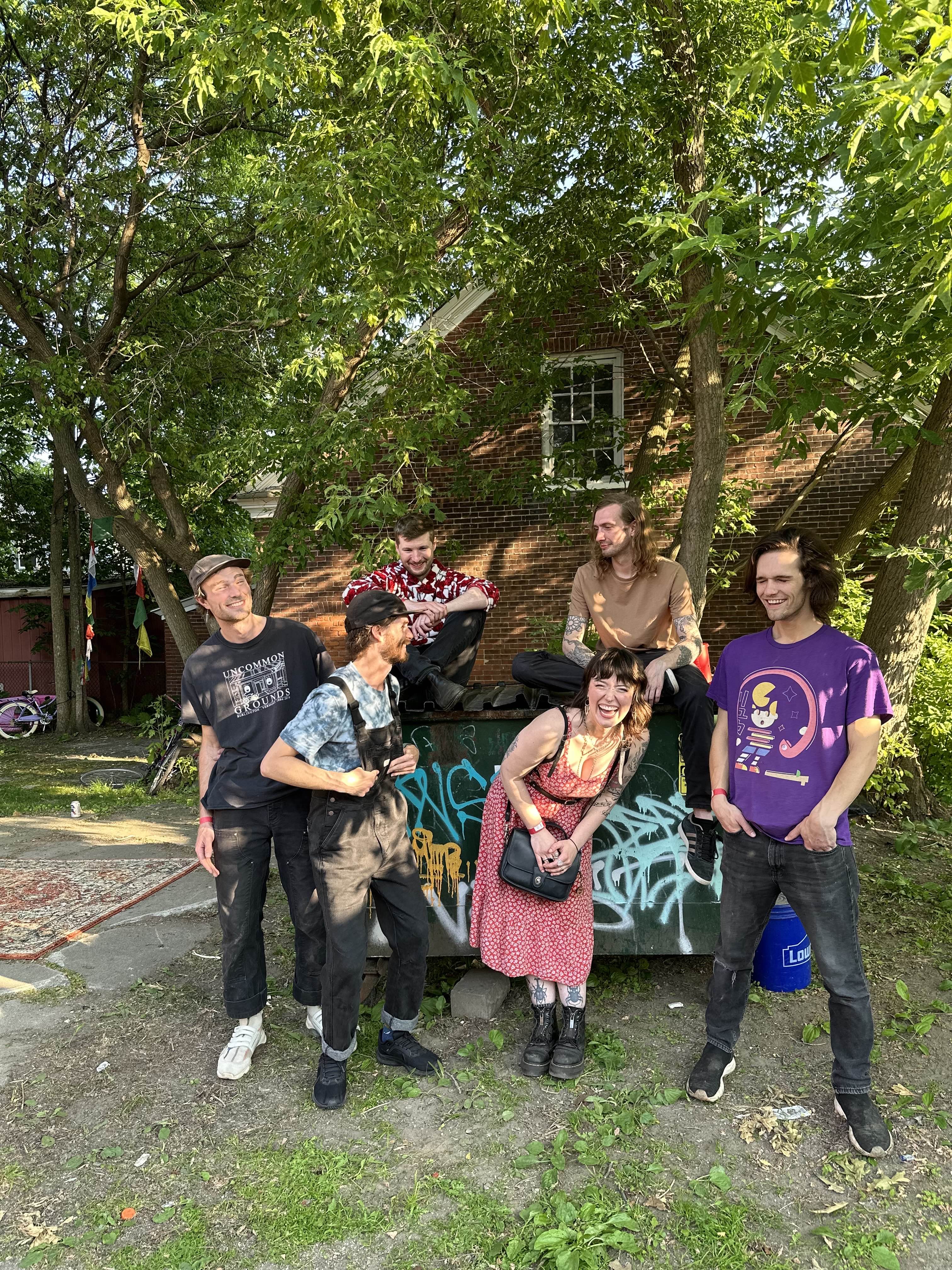
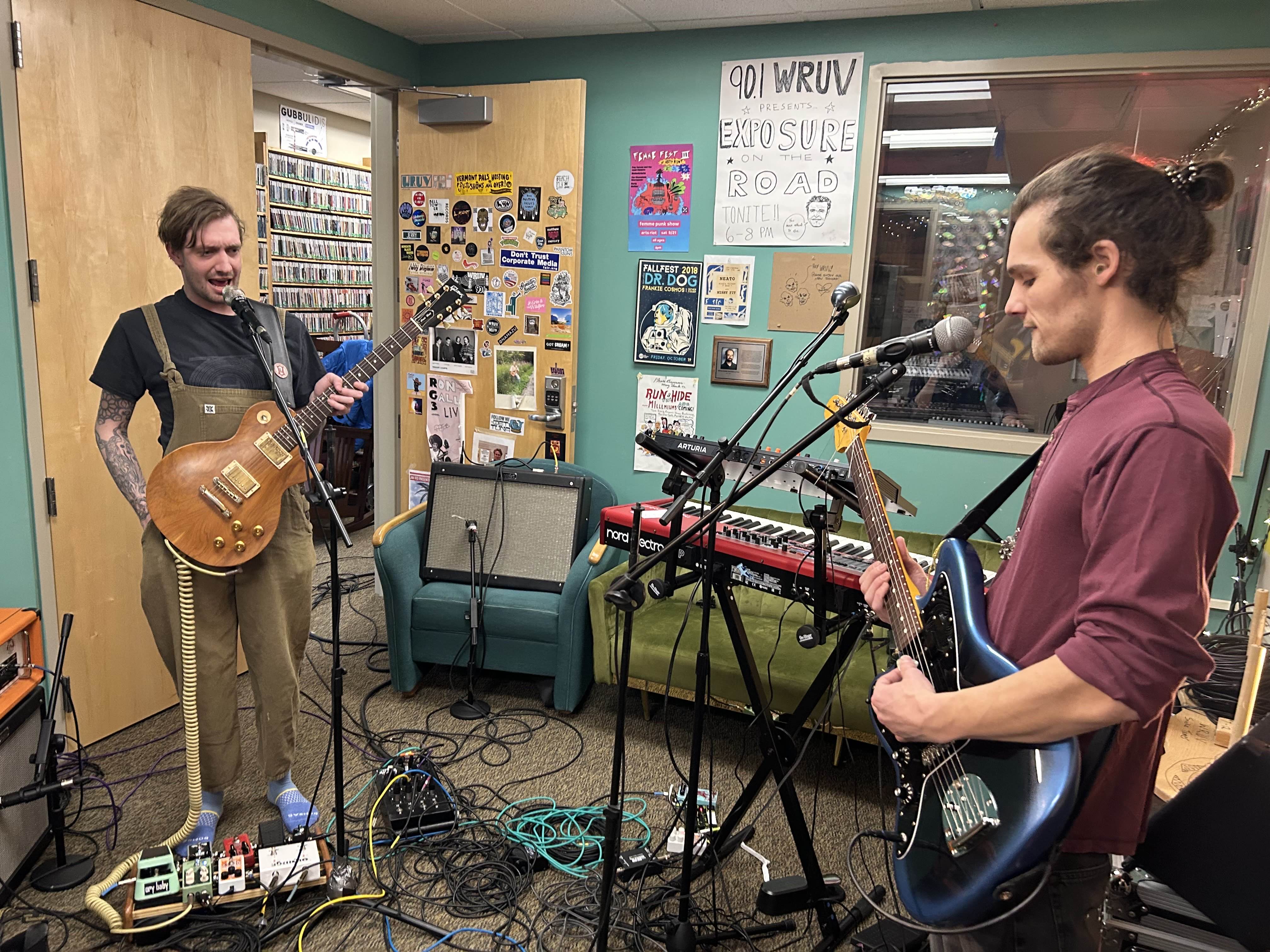
Kitbash is a band that is currently made up of 5 people:
Megan McAvoy (they/them) - who, among a million other musical and artistic contributions, proposed the name "Kitbash" for the band - was a member of Kitbash when we recorded our first album, Anything at All. We love Megan very much and are very grateful for everything they've done. We literally wouldn't be "Kitbash" without them!
We'll probably change shape again sometime soon - like the song says,
endlessly, they rearrange
the words reverse
the faces change
If you really want to get a hold of us, you can email us at kitbashband@gmail.com. We'll do our best to get back to you.
Here's how we describe ourselves when we're trying to play shows or get reviewed:
Kitbash is a collective that pushes indie rock into uncharted sonic territory, delivering tight grooves in odd times. "Kitbashing" is the act of breaking apart ready-made materials, and fusing them together into new and unexpected creations; the band takes this ethos of hacking and experimentation into the musical realm, weaving disparate influences into a one-of-a-kind high-energy sound.
What we really are is a group of dorks who love to make the kind of music that we like to play, usually with counting involved. Occasional rhyme, sometimes reason. Everyone writes a little, everyone plays what they want, everyone sings when they feel like it. It all starts with what brings us joy.
Burlington, VT (mostly). More specifically, one apartment which has been the literal and spiritual home (and de facto recording studio) of the band since its inception. We offer our eternal thanks to the patient neighbors who have heard us practicing, experimenting, and riding sound waves these past few years. We owe you one.
Since Fall 2022, until we stop.
Because we can, and because it brings us joy.
This website was built inexpertly and inelegantly by hand without the use of AI by Brendan during lunch breaks in about a week. It is based off of the John Doe template, and uses a single html and css file. It's not strictly WCAG compliant, but I've tried to include as many accessibility features as I can. The website is hosted on Neocities.org. Build a website for yourself - it's fun and free(ish).
Thank you for being here and for being you and for opening your heart to us - we promise not to wreck the joint.
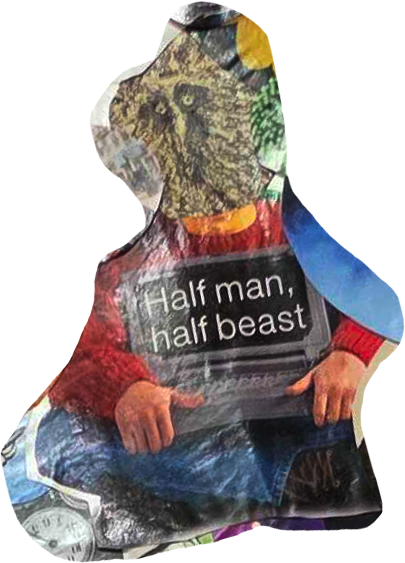
It's me, Brendan, king nerd, recording/mixing engineer for Kitbash album 2.
Below, you can find all the thoughts I have about our recording process - what we learned, what went well, what might help you. There's some disclaimers that I think are helpful to keep in mind:
I'm writing this as a record of what worked for us and what we learned - not to tell you what you have to do.
I know some things about recording, but there's a lot more that I don't know. The best thing that you can possibly do (both for learning and for your soul) is to find some friends and make some sloppy art in a way that brings you joy.
If something on this page can help you make your own music, that's beautiful. Nothing here's the gospel, just notes on the process.
I'm going to be mentioning a lot of specific gear on this page, but it's not because I'm an especially big fan of either that particular gear, or the never-ending drive to keep buying new equipment. Whatever you already have is enough to make amazing art, and anyone who tells you otherwise is trying to scam you. There's music which has made me cry which was recorded on a flip-phone, and million dollar records that haven't moved me an inch.
With the exception of exactly one piece of gear (the specific recording interface we used), there's not a single piece of gear that was load-bearing, or which we couldn't live without. Similarly, we made our first album with almost entirely free VST plugins, and a handful of paid plugins for the second album.
I'm going to be more focused on recording techniques that we found to be inspiring and helpful, and will try and be gear-agnostic as much as possible. To the extent that I talk about things we bought for this album, I'm going to be very clear about how much money we spent, whether it was worth it, and what the alternatives are.
Our first album was a labor of love, but boy was it a labor. Due to technical constraints (i.e. barely having a working interface), we ended up individually tracking basically every instrument on almost every song. Things ended up sounding clean and precise, which is nice its own way, but we wanted our second album to feel more live and "together".
Once we had decided that we wanted the basis of this album to be us playing together in a room, we had some thinking to do. I hadn't really had much experience recording a whole band before, and we didn't have much experience recording all-together. To dip our toes in the water, we had a "demo day" in March 2025, where we all got together and tried recording all of these songs, just to see if it was possible to make it sound good. It was rough around the edges, but we ended up deciding that the proof of concept was strong enough to fully commit to live-recording.
One hot weekend in June 2025, we got together to record the bones of this album. Most songs took 3 or 4 takes, and we rushed outside to cool off between every song - there was no AC in the living room, turning the fan on caused a leslie effect on everything, and if we opened the windows, one particular neighbor would have been on our porch to complain by the time the first song ended.
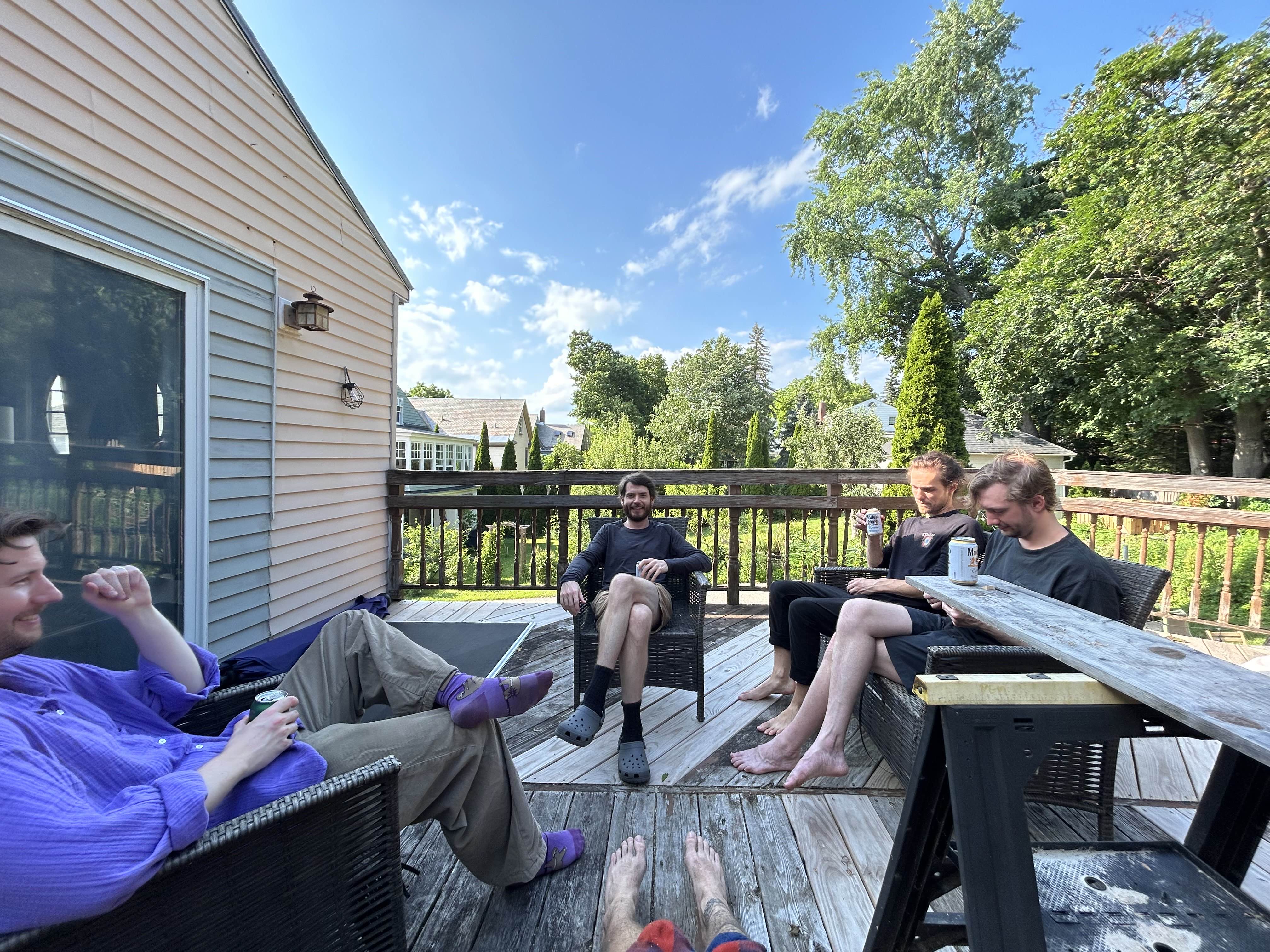
It was swampy and we played everything a little bit faster than usual just so we could get back outside again, which ended up being just what the songs needed. Once we had no more juice left, we called it a weekend and took a bit of time off before entering phase two.
I had it in my head - and even promised the boys - that this way of working would be *much* faster than our first album.
Reader: it was not.
Before we added anything else, we listened to all the takes that we had, and decided which parts we liked the best - some songs (Time in Windows, Moonlit Rogue) are basically one take from start to end; most are a patchwork of our favorite pieces.
Once we had the base layers figured out, we started adding bits and bobs. We got together on Sundays, picked a "song of the week", and took turns adding whatever felt right to that song - harmonies, odd percussion, extra parts, double tracks, the works.
As the songs started to take shape, we started to think about how everything fit together - what the "connective tissue" (as I became fixated on calling it) would be to help the songs feel cohesive.
I decided pretty early on that I wanted to focus on using "practical effects" (spring tanks, pedals, plate reverb) as much as possible, and do as little FX-work within my DAW as I could. I did this for a couple reasons:
For the most part, the only fx that I have on any of my tracks in Reaper are:
The bulk of the other effects that you hear were all recorded using outboard gear and re-amping.
It's always the case - the last steps take twice as long as everything else combined. Once we had some nice initial mixes and added a few layers, we entered the phase of the process that I think of as "glancing blows" - you add one or two things to a song each week, hope that it's enough to make it feel "done", and inevitably do the same thing again in a week or a month when you realize that it doesn't feel as "done" as some other song.
There was some fun here, but a lot of it was pretty tedious - it didn't help that we were also doing all of this during the winter, and were getting a little stir-crazy already.
I thank the rest of the band for having faith in me during this part of this process, and for trusting that it would actually make a difference - honestly, who knows if it did, but we *did* end up adding some of my favorite parts during this phase, like the drones in Iron Dog - check out the videos at the bottom of this page to see how it came together.
We decided that 4/4 would be a good release date (mostly as a bit), and once that was in place, it forced us to finish things up. One sunday, about a week before the release, we got together and came up with the album title, art, and final mixes/masters.
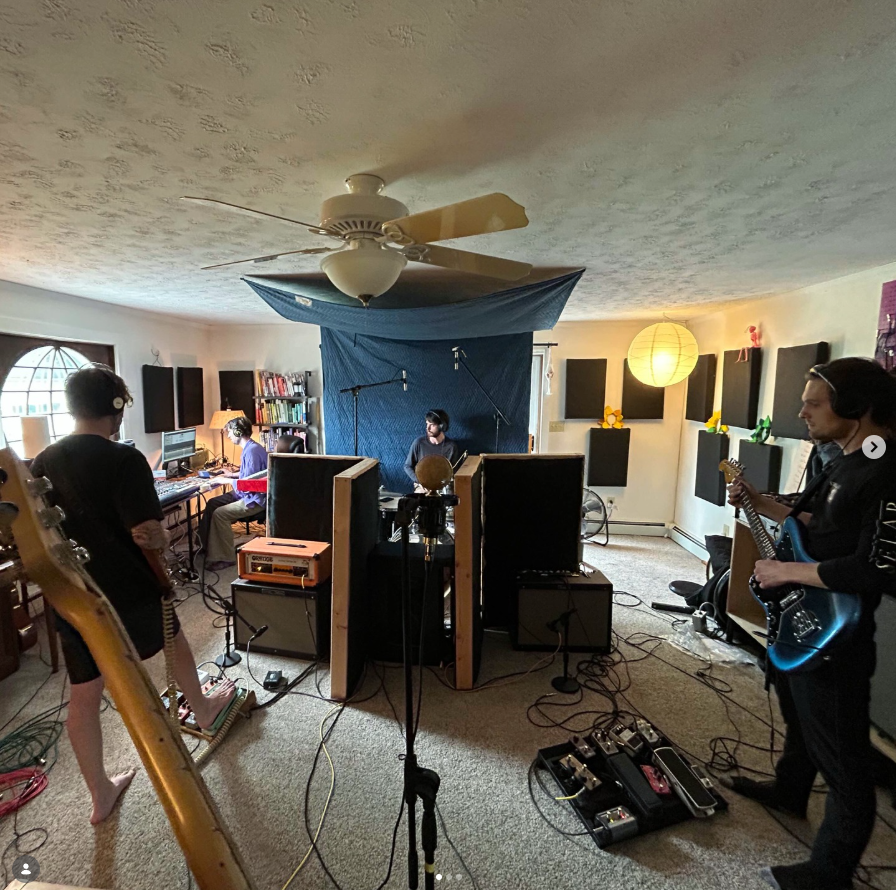
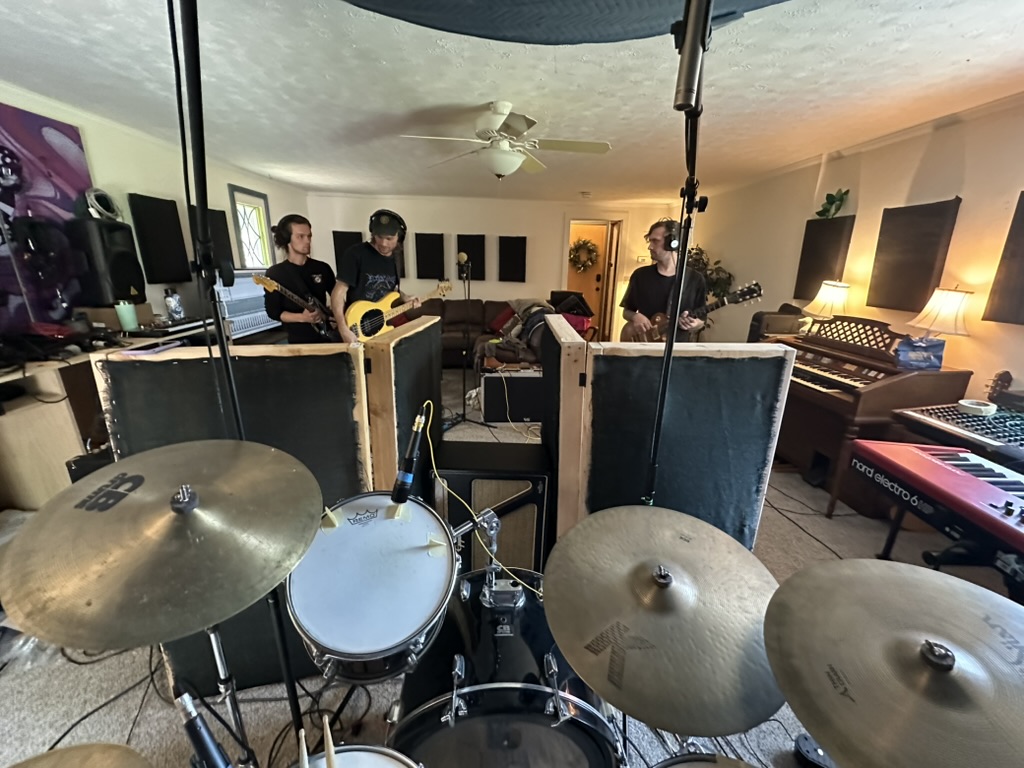
Step one in recording a full band in a small room: minimizing unwanted bleed and reflection.
As luck would have it, a living room is not a bad place to record an album. The carpeted floor helps absorb some hi-frequency reflections, and the room was long enough that we were able to set up on one side of the room and avoid reflections from the far wall.
You might possibly notice the moving blanket prison that we have contained Ross in. This is for his own good, as well as ours - the small diaphragm condenser mics that we're using as drum overheads are *pretty* good at rejecting reflections from the ceiling, but the added absorption of the moving blanket is especially helpful in dealing with the unpleasant washy reflections of the cymbals. $5 a pop at most hardware stores, and light enough that we were able to mount them with hook-and-eyes (you could probably get away with Command hooks). Because they're not especially thick, they'll only absorb high-end frequencies, but those tend to be some of the more troublesome tones anyway.
The ceiling in the rest of the room is more or less irrelevant - there are no microphones close enough to the ceiling for reflections to have a meaningful impact - so, onto the walls.
The day before recording the main tracks for this album, we got a whole bunch of stuff from the hardware store to make acoustic panels - 1x4s for the framing, rock wool for the filling, weed-resistant gardening fabric for the cover. If memory serves, we ended up spending around $150 to make 24 small acoustic panels which we hung all around the living room - for the cost, I think it might be the best money we've ever spent as a band. Especially considering that this is also our practice space, these panels have been a huge quality of life improvement for us.
Oh, one last thing - make sure to turn the fan off before recording, unless you want a leslie effect on everything.
We decided that it would make the most sense to start by placing the drums, and working our way out from there. Having Ross pretty close to one edge of the room meant that we were minimizing the reflections from the far wall, and as an added bonus it gave us a little more walking-around room.
Once the drums were set up, we brought in the acoustic baffles - essentially, these are just large frames filled with dense rock wool insulation and covered with burlap. These are here to minimize bleed between the amps and drums (and vice versa). They're dense enough to absorb low-end frequencies from the drum kit, and do a very good job filtering out almost the entire amp signal in the drum mics.
You might, at this point, be wondering why we're putting the amps so close to the drums. A fair question - if you're so worried about bleed, why are you putting all the loud things in one part of the room?
It's a little counterintuitive, but if we consider that we are *mostly* trying to keep the amp sounds out of the drum mics, then it makes a little more sense. While the front of an amplifier is famously very loud, the back end of it is actually surprisingly quiet. Couple that with the giant acoustic baffles that we have between the amps and the drums, and we are pretty much only worried about the indirect reflections from the amps - which is why they're so close to the drums (or, rather, very far from the far wall, where they would be reflecting).
While there technically *is* a science to all of this, I certainly am not equipped to speak on it - this worked well for us, and might work well for you too. Give it a try, and see what happens.
You might notice that there's not a bass amplifier in this picture - that's because the bass and keyboards are going directly into the mixing board, and then into each band member's headphones. In a room this size, the bass would be showing up in every microphone if we were playing it through an amp, so we just got a clean DI signal instead, which we could then re-amp as needed after the fact.
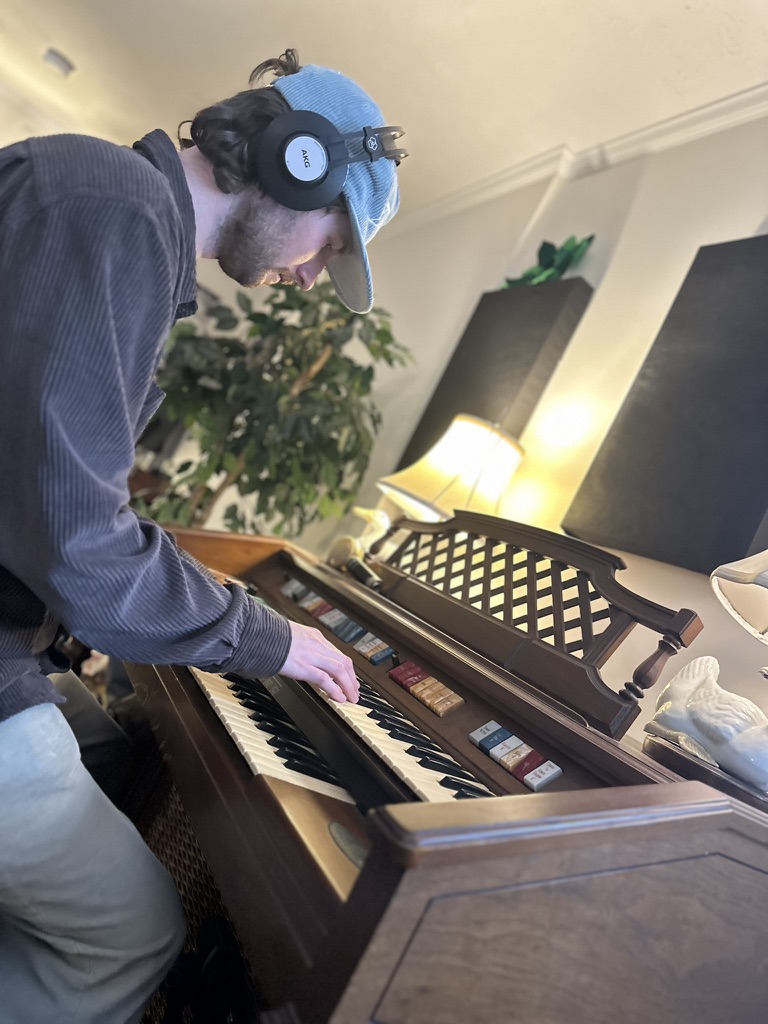
Curious about keys? I'll hopefully add a lengthy description to the "Synths" section of this page, but here's a quick rundown:
Our last step before starting recording was setting up monitor mixes in the headphones - a bit more on that in the next section, but suffice it to say that I learned a lot about how important good monitor mixes are for confident performances.
Let's talk about that one piece of gear that we actually *really* needed to make this album: a decent interface, with multiple headphone outputs, and enough inputs to record everyone.
On our first album, we had to record everything bit-by-bit (with few exceptions), because we didn't have a good way to monitor ourselves when live-recording, and we didn't have enough space on our 8-input mixer to record everyone at the same time.
We did record three songs "live" on our first album, but the setup was janky to say the least. We recorded the first album using a Zoom R24 interface which I already owned, and which had *one* headphone output. In a pinch, we were able to use a 5-way headphone splitter and send the same mix to everyone, but the signal was so weak that we were barely able to hear eachother over the drums in the room.
This time around, we spent $600 on a Zoom L12 LiveTrak Mixer. We got this particular piece of gear for a few specific reasons:
I definitely don't want you to go out and buy any gear just because it worked for us - but, if you are looking to record a full band playing live in one room, you could do a lot worse than the Zoom L12, or its big brother, the Zoom L20.
We have a nice little collective puddle of microphones in the Kitbash space - some from Andrew, some from Ross, most from me. Mostly, they're SM-57 shaped (many of them are knockoffs), though there are some exceptions. Here's most of what we were working with when recording:
Did we use all of those mics? Yes, and more. Did we need all of those mics? Absolutely not. If you're on a budget, just buy as many cheap SM57 clones as you can, and point them at the thing you want to record. Set some up as room mics, get tops and bottoms of snares/toms, take time to tune and get amps sounding good - if your sound source is bad, it doesn't matter what you use to record it, it's going to stay bad.
Prepped by removing resonant head (I wouldn't necessarily recommend this, because it became INCREDIBLY boomy. Needed a lot of damping, and weights to keep it in place.) AKG D112 roughly one-third of the way into the kick drum, pointed at the beater. Plasic beater.
I have a broken amp that I keep at the apartment - it's headless, but the speakers have a wire coming out of them with a 1/4" jack connected. If you reverse the signal, any speaker can be treated as a microphone - and, though I wouldn't recommend it, you can *also* turn a lot of microphones into speakers this way. I ran the 1/4" output into a DI box, and placed the cabinet in front of the drums as a sub-kick to catch extra low end. As an added bonus, it also blocks a little bit of sound bleed - we take every bit we can get.
If all you have is an SM57, place it inside the kick, past the porthole, pointed towards the beater. Gate the kick to a sine wave at 60hz in your DAW if you need extra low end - the big thing is to capture the articulation of the beater; low end is easy to fake.
Prepped by tuning up and placing a cutout of an old snare head on top for dampening - can't remember the name, but this is a real product.
I also asked Ross to raise the hi-hat as far up as he comfortably could to reject bleed. This can make a pretty substantial difference - just make sure that your drummer is still able to play comfortably.
Mic placement: Positioned so that it's rejecting the hi-hat as much as possible. The butt-end of your mic should be pointing right at the hi-hat's bell (assuming it has a cardioid pattern). Real SM57 on top, fake SM57 on the bottom, both slightly over the rim, about an inch away from their respective heads. I tend to like a fake SM57 on the bottom of a snare, since it accentuates the high end more than a real SM57.
If all you have is an SM57, just mic the top - you can fake the bottom by placing the snare face-down on a guitar amp, and sending the recording of the snare top into the amp. This will trigger the traps on the bottom as if the snare was actually being played, and you can record it as you normally would - more info and a demonstration are in the "Reamping" section below.
Prepped by tuning up and placing tape as needed to cut down on resonance. We noticed that there was a bit of a sympathetic tuning between the snare and the rack tom (meaning it wouldn't stop ringing), so Ross retuned and we added some extra tape. This was very trial and error (mostly error).
Fake SM57s on top - I very much prefer to mic both side of the drum when possible, but we just didn't have the inputs available since we were recording the whole band simultaneously. I do have a solution for this though - using a Y-cable with one side inverted. More info in the "experiments" section.
Oh! One more thing: make sure that the capsule of your microphone isn't parallel to the edge of a cymbal - you'll get these awful flangey sounds if they
I honestly do not especially like the sound of the microphones that I used on our overheads (a pair of Rode Small Diaphragm condensers), but they were the best option that we had at the time. When recording in a small room, I am thinking more about *rejecting* unwanted sounds than I am about capturing my desired sound - in this case, I knew that a pair of Small Diaphragm condenser mics placed in a spaced pair relatively low would do the best job at rejecting the reflections of the drums from the ceiling and walls, and that any signal that came in from the sides wouldn't be overly colored.
Ross' cymbals tend to have a very long decay, so we added a little bit of damping underneath them - just a wad of paper towel taped near the bell of the cymbal. If you add too much, you lose all the liveliness of the cymbal, but a little bit can really help cut down on muddiness/brittleness that comes with long delays on mediocre metal.
Each of the overheads was roughly 42 inches from the center of the snare drum - I usually have a fabric ruler in my toolkit when recording for just this occasion, but mic cables/drum sticks work just fine to check distance in a pinch.
I *love* the Cascade Fathead as a room mic - honestly, just about any ribbon mic will probably do. I have no idea why I decided to place it at eye-level; shin-height would have probably been better, and gotten more of the meat of the drums. Still, there's a very mellow quality to this mic that does wonders to a drum kit, and because it is a figure 8 pattern, it also catches the reflections off the far wall.
In addition to the Cascade, I also decided (god knows why) to throw a pair of cheap Pyle drum microphones into 10 gallon plastic buckets and place those on the far side of the room to use as room mics. Did it work? Kind of, although there are about a dozen alternatives that I would recommend before this - still, geting colorful room mics can be a great way to give a unique sound to your recordings, especially if you're recording a whole band. At the end of the day, we ended up faking most of our room mics - check out the sections on Springs/Varispeed to learn how.
A tangent: it might be worth thinking about *every* microphone in the room as a "room" mic when recording a whole band - you're going to have some amount of bleed between all the elements that you are recording, and it's simply not worth swimming upstream to competely eliminate that. With the recording setup that we used, there was a natural "stereo bleed" from the guitars into the drum overheads - Simon's amp bled into one mic, and Andrew's amp bled into the other, turning the overheads into a kind of "room mic" for the guitars, on top of its main role of recording the drums directly. I found it easiest to just accept the bleed and let it inform the rest of the mix.
During our big tracking sessions, I kept things simple and just put an SM57 as close to the cap of the amps as possible - on about half of our recordings, I ending up just using that signal as-is.
When re-tracking, I ended up going for a two-mic setup, using the Cascade ribbon mic next to the AKG LDC. There's a very different tonal quality to both of these mics, and I basically used them as EQ - I could bring up the ribbon mic to mellow out a sound, or increase the LDC to brighten it.
VERY IMPORTANT NOTE: If it is at all possible, I most emphatically encourage you to get yourself a DI box (~$30) for each guitarist in your band so that you can record a clean DI signal alongside their amp. There's nothing worse than having an amazing performance, only to discover that the amp sounds too distorted with no way to dial it back. This can also be very helpful if you only have a handful of decent mics - put all the good mics on the drums, use your shitty mics and DI box to grab some scratch tracks on guitar, and then use your good microphones to record a re-amped signal after the fact (more on that below).
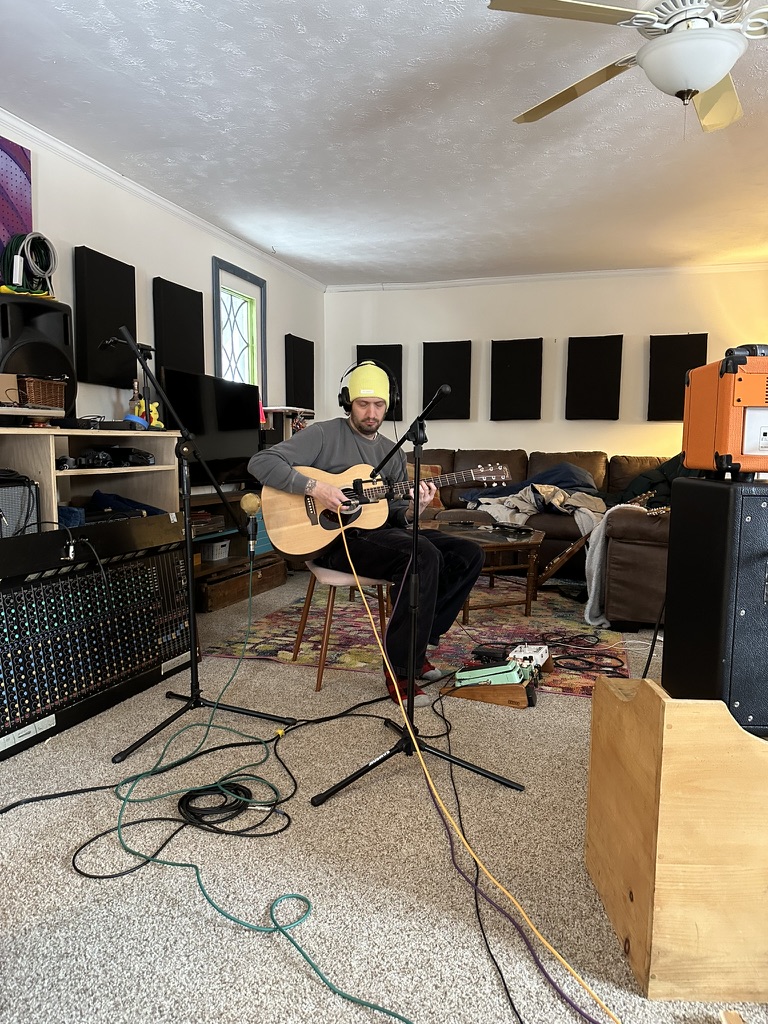
We have a few acoustic guitars on this album - for the most part, I recorded these by just pointing an SDC at either the bridge or the 12th fret, depending on the tone I was looking for. Since the acoustic guitar on Dry Ice is more prominent, we recorded it with a three-mic setup: two Rode SDCs in an X/Y configuration, and a ribbon mic pointed at the bridge (since this guitar was very bright, and needed some warmth).
For both trumpet and flute, I recorded with a ribbon mic as the close mic, and a pair of large diaphragm condensers set up in a blumlein configuration as the room mics, in the ballpark of 6 feet away.
It is an unfortunate fact that my AKG 214 is the best microphone I have for recording vocals - it has a nice clarity to it, and sounds crispy. But it is also so unbelievably sibilant that I end up having to put half a dozen de-essers on it to make it usable. In my next life, I am going to start by recording with an SM58 and making it brighter; at least it will be a new problem.
I love love love love LOVE spring reverb tanks. During the recording of our first album, an amp I inherited broke down, and we scrapped it for parts - the cabinet became our trusty sub-kick microphone, and I held onto the spring reverb tank. It lived on my shelf for about a year until a spring cleaning kick found me deliberating between either throwing it out or learning how to use it. As luck would have it, I chose the latter.
Here's the basics: a spring reverb tank is basically what it says on the tin - a signal is sent into an RCA input, amplified via a transformer, sent into one end of a metal spring, and is sent back out the other side via RCA output. The "reverb" sound comes from the way that sound lingers and warps from point a to point b - it takes time for the metal to stop moving, and there's a lovely natural "tail" to any sound that is passed in. Depending on the volume of the signal that is passed in, the decay can last for a few seconds, or can be a slap-back delay that trails off quickly.
To use a spring reverb tank in your production, you need a couple things:
If you happen to be recording with an interface (or tape deck) that has an FX send, then you can probably do the following:
Once recorded, you can mix this track in to taste.
This is an area where the Zoom L12 ended up really shining - you can follow these steps with most interfaces, but some of this is Zoom-specific. As long as you have the ability to set up different monitor mixes and have a headphone output, you should be able to pretty much follow these steps.
Basic Setup:
Experiments:
One of the wonderful things about spring tanks is that they physically exist in the world, and the mechanics that they use to create sound can be directly monkeyed around with - for example, by placing materials on top of the springs, you can change the character of the reverb, and shorten the decay. This turns it into more of a slapback delay sound - you can just barely hear this effect on the very beginning of Iron Dog, on Simon's guitar.
Looking to create a transition between two sections of a song? Pluck the spring with your finger and then reverse it in your DAW to create a giant swell - you can hear this during the buildups in Broken Mirror.
Similarly, creating a feedback loop with your spring tank by sending a bit of its return signal into the input signal can yield very pleasing and unpredictable effects. You can even "ride" the effect by playing the fader during recording - I especially like this for transitions or endings. You can hear this at the end of Beach Day.
Every spring reverb tank is a little different - there are certain resonances that really "sing", depending on the length, tension, and number of the springs. You can use Varispeed (info below) to pitch your input to the sweet spot, and then slow it back down (or speed it back up) to alter the decay and overall tonality of the tank.
Taking it one step further - you can get a lovely natural chorusing effect by using Varispeed two times at two different speeds on your springs, and then creating a stereo image by hard-panning these recordings. You can (just barely) hear this on basically all the vocals on this album.
Broadly speaking, re-amping is the act of taking a recording (usually a DI signal from a guitar) and sending it back out into the world - often into an amplifier - and re-recording that signal, typically with a microphone.
Here's a common application of this technique: let's say that you recorded a whole band in a room, and recorded the guitar's amplifier, as well as a clean DI track. You listen back, and realize that you like the guitar peformance, but that there's way too much bleed from the drums in the recording that you have of the amplifier. You use a re-amp box (more on that below), and send the DI signal into a pedalboard, which feeds into an amplifier. You take your time setting up microphones just the way you like, and hit "record" as the ghost of your guitarist plays through the amplifier.
The principle behind re-amping is pretty simple - you record a signal, then use a tool called a re-amp box (~$125) to send it back into an amplifier at a volume that it can handle. A re-amp box is kind of like a DI box, but in reverse - it takes a loud signal, and uses a transformer to cleanly bring it back down to a volume that can play nicely with things like guitar pedals. In a pinch, you can use most BOSS pedals (or any guitar pedal with a good buffer) to accomplish much the same thing, with maybe a bit more noise and a bit less fidelity - not a huge problem if you're running through overdrive or similar distortion effects.
If you only have a few good mics, but want to record everyone in your band at once, re-amping can be a good option. Put all your good mics on the drums, get some cheapo fake 57s to record some scratch guitar through the amps while using a DI box (~$30) to get a clean signal. After the recording is done, if you like the take, you can send it back out to your amp, and dial in a tone that you love, then use the good mics to record the signal from the amp.
Another idea: if you're the only guitarist in your band, and you want a stereo image of a single take, try re-amping the same take multiple times - either through different amps, or with different tone settings, or with different microphones/placement. Pan these all over to create what should be a fairly phase-coherent image with a bit more oomph.
Got a snare top recording, but need some sizzle? Here's what to do:
Want some gritty rock vocals? Send 'em through an fx pedal (my favorite is the Sansamp), or right to an amp! We did this all over the album - basically anytime you hear some crunchy vocals, it's because they've been sent to an amp of some kind. As an added bonus, you can automate various feedback changes by twisting knobs during playback - you can hear this most clearly on Time in Windows, on Andrew's vocals.
When I was first learning how to record, I bought a Tascam 414 Portastudio tape recorder (way before mk.gee made them into a cool pedal), and had no idea what to do with it. One thing I *did* know is that it sounded cool as hell to record something at "High" speed (with the tape moving twice as quickly), and slow it back down to "Normal". It made things half as fast, and twice as low in pitch - even better, it made my voice sound absolutely demonic, which was immensely fun. When recording to tape, there is a direct correlation between the speed that the tape is moving (the "rate"), and the pitch of what is on the tape. When recording in a digital format, this might not always be the case - nowadays, there are time-stretching algorithms, which are able to preserve the pitch of a recording, even when the rate changes. While useful (and very capable of creating new and fun kinds of glitches), I have a soft spot in my heart for the old ways.
My experiments with recording at double-speed and slowing it back down were an early attempt at what we might call "Varispeed" - intentionally recording something at a rate that is either faster or slower than it should be, then bringing it back to the normal rate.
In my DAW of choice (Reaper), there is a Rate fader, right in the middle of the transport section, which I never thought to manipulate until recording this album. As luck would have it, it works in exactly the same way as my old tape deck - twice as fast is also twice as high in pitch, and vice-versa. This discovery led to quite a lot of fun.
One of the more practical and subtle applications of Varispeed: let's say that you've written a vocal melody, but it's out of your register. Try slowing the rate down until you can sing comfortably and confidently, then record your vocals. Bring it back up to speed, and you'll notice a very Alvin and the Chipmunks-quality to your voice, but it will be the right notes. If you like the sound (and I do - I used it on Broken Mirror and Inner Gleam), then keep it. If you want to make things a little more natural-sounding, you can open up your pitch-shifter of choice (ReaPitch, in Reaper), and use the "formant shift" to lower the formants in your vocals. If you fiddle around, you can find a pretty natural sound.
Want to add some ethereal backing to your song? Record an instrument in a high register at double-speed, then bring it back down to see it stretched beyond recognition - we used this on a few different songs to create pads.
My favorite use of Varispeed on this album is one that is probably not even noticeable to anyone but me, and is a bit hard to explain - let's see how I manage. Let's imagine that you are using a spring reverb tank to add some reverb to a snare drum. It takes about a second for the decay to stop - way too long for your liking. You *could* add some damping on top of the spring, but let's explore an alternative. If we think of the physical properties of a spring as "fixed" - if we imagine that the spring will *always* reverberate for about a second when hit - then we can use varispeed to control the length of the decay. If we slow the rate of our snare drum down and send it to the reverb, then it will react the same way as before - it will be hit, and will reverberate for a second, then stop. When we speed that recording back up, something magical happens: the decay becomes shorter on each hit, because our one-second reverb time has now been sped up. We can use this in the opposite direction, too: send some sparse vocals into a reverb take at a higher rate, then slow it back down to create a lush, pad-like decay.
We can extend this principle to physical spaces too! I wasn't totally happy with how the drums were sounding in the room mics that I used when we were doing full-band tracking, but I *do* like the sound of our room. What's a girl to do? Create a special mix of drums (heavy on snare, medium on kick, light on overheads), send that through a bass amp, and set up a pair of omni-directional mics at equal distance from the amp - et voila, we have conjured a room reverb track. However, I still wasn't satisfied with how things sounded - too wimpy. So, using the principle from above, I thought that I could increase the rate of my drums, send that into the room, and slow it back down to create a larger, darker space. It wasn't perfect, but it felt satisfyingly real, and is what we ended up using as the drum room tracks on most of our songs.
While I'm shy about recommending particular gear, I have a full-throated book endorsement to make for anyone who is interested in getting a little weird with their music. The book Handmade Electronic Music by Nicolas Collins was a genuinely lifechanging book for me as a musician, and gave me the confidence and tools to start making my own musical gizmos and gadgets. A lot of our experiments were directly inspired by this book, and I can't recommend it enough. It is geared towards low-cost and accessible projects, and has just enough theory sprinkled in that I felt comfortable going beyond the confines of the book to make my own gear. The solar-powered synth that is featured in Iron Dog and seen below was based on a schematic from this book, and used about $2 of materials.
To make the drones that we used on Iron Dog, we used a transducer (~$5) which I wired up with a 1/4" jack and slapped onto the headstock of Simon's guitar. A transducer is basically a speaker that turns whatever you place it on into a resonanting plane. If you happen to send a signal into the transducer (say, an electric guitar), then place the transducer onto whatever is creating the sound, you can get some truly wild feedback, and essentially infinite sustsain on a guitar.
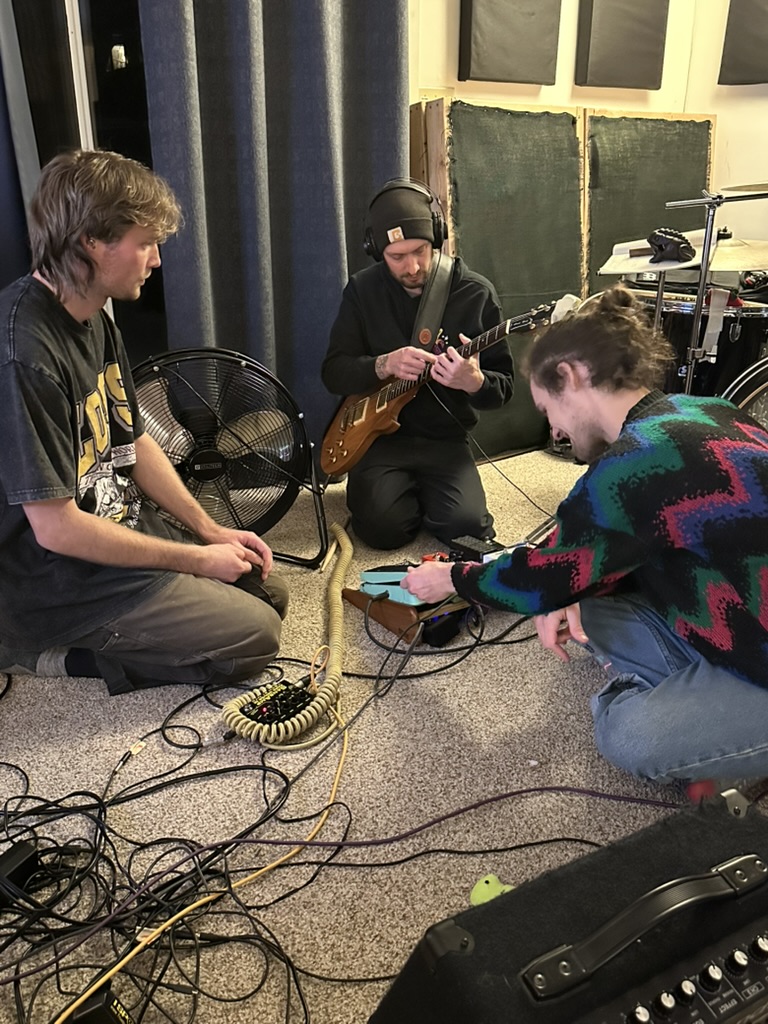
If you're anything like me, then odds are overwhelmingly high that you have more instruments/microphones than you do inputs. Most entry-level mixers (including the Zoom L12) only have 8 or so useful inputs, but a whole band tends to require quite a bit more than that. Here are some ideas for how you can record as much as possible without sacrificing quality.
I don't remember exactly where I heard about this - I think in Sylvia Massey's book Recording Unhinged. Here's the basic idea: it's really great to record both heads of a drum to get a fuller picture of the instrument, but recording each side separately would require two whole inputs. You can use a "y cable" (pictured below) to turn two inputs into one output, but you run into an issue here - the top and bottom heads of a drum are out of phase with each other, and combining them into one signal in this way would result in a nearly silent output.
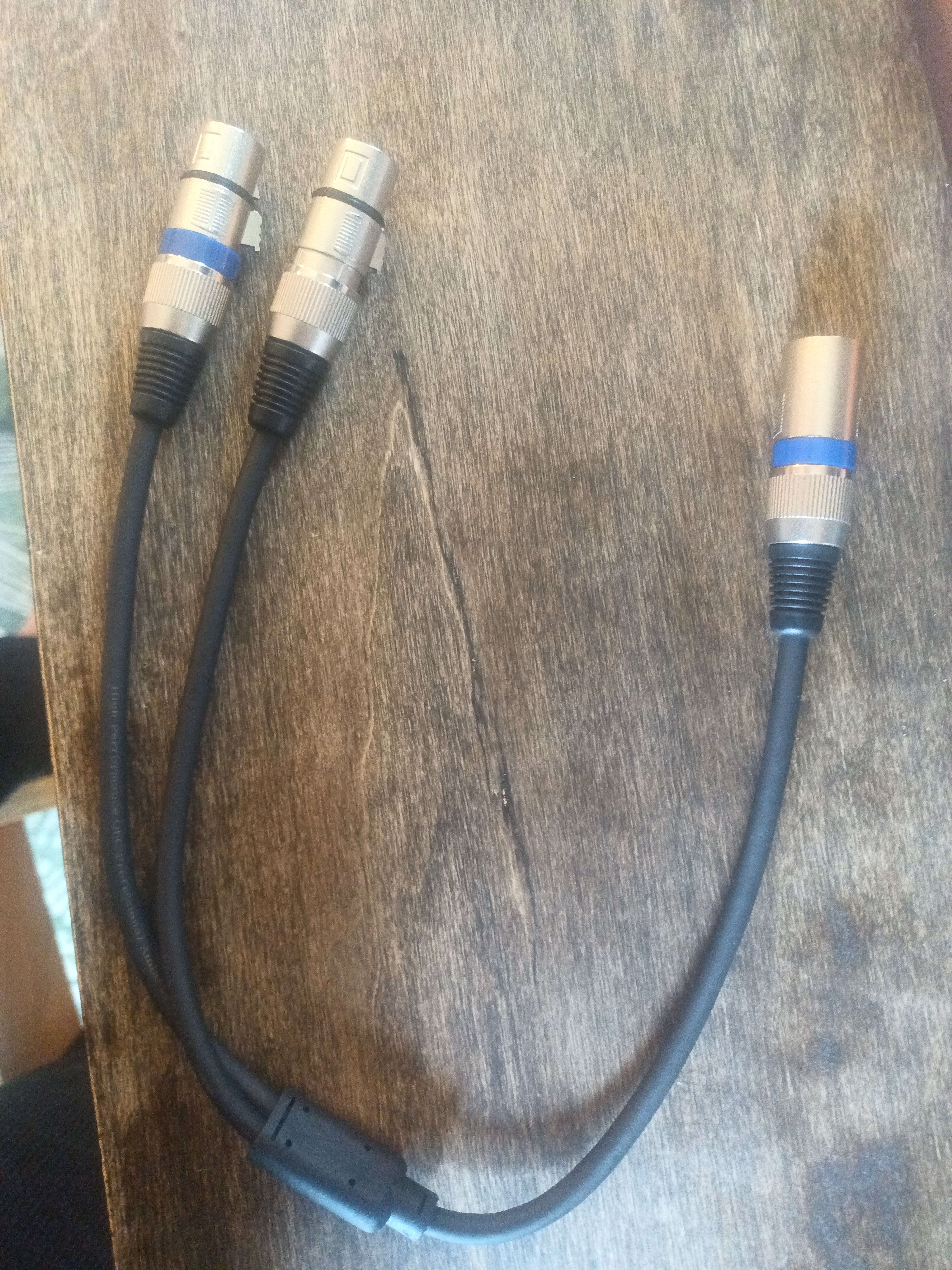
Conveniently, it is *really* easy to invert the phase of an xlr cable - pop it open, and flip the red/white wires. Here's an example - the left-hand cable is the default, and the right-hand cable is the inverted one.
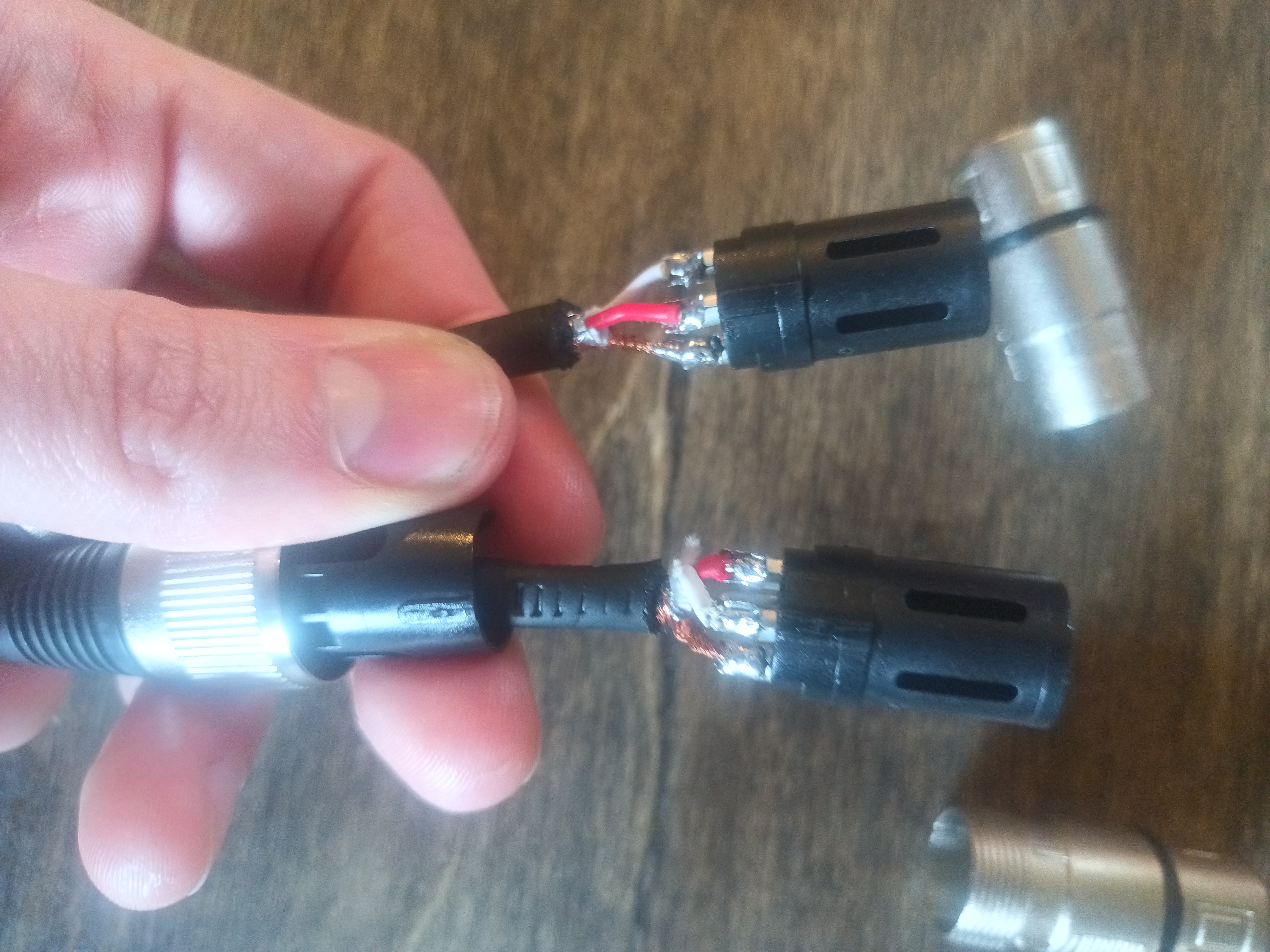
You can get a 5-pack of these cables for about $20, and it took me about 10 minutes to convert the whole 5 pack into these "prepared" cables. Worth the money and worth the time - it's much better than trying to revive an anemic tom which you only recorded the top of. You can also use this on a snare drum, as long as you are okay with locking in the amount of snare bottom that you're using - once it's recorded, there's no way to disentangle the signals.
Workinonit.
Workinonit.
One day, this will be beautiful - not today.
NOTE: We love Bandcamp, but it streams audio at a very low fidelity. For optimal listening, we recommend either *downloading* the album (for free!) from Bandcamp, or just playing/downloading the full album mp3 that we've provided below.
If you really want to, you can also stream the album in the usual places:
Listen on SpotifyClick the titles to see the liner notes, track art, and more!
A note from Simon:
For me, this album feels like a thesis statement for the band. I feel we really found our lane and elaborated on what it means for us, as individuals, to make music with one another. These songs have been developed over a stretch of time, some of them existed when the first album was released, and some were ideas that were informed by the process of developing the sound of this album. Anything at All was us yelling from the rooftops, “We did a thing, we hope you like what we’re up to in our living room!” It felt like we had so many musical ideas, and we wanted to share as much as we could. We are all creative people, and we are all facilitators of each other. We all want to support putting each other’s ideas out into the world, so we didn’t limit ourselves.
For Time in Windows, I felt like we had forged a voice for ourselves. Thematically and musically, I am so proud of this album. For me, it demonstrates our desire to make music that engages with a live audience but is a sincere and heartfelt exploration of what we are experiencing in our lives. We explore the growing pains of getting older, how to hold and love the versions of yourself from the past, how to exist in the radical times we live in, and weave fantastical stories to add a levity to these conversations.
This album truly reflects the people I make music with. It is packed with love, playfulness, nostalgia, anxiety, and optimism. Time in Windows is just that, small windows into several different worlds and times, all that come together to form a larger image that one can evoke meaning from.
For a staggeringly comprehensive look at the recording process for this album, check out da NerdZone.
Broad strokes: we recorded the bones of this album over a weekend in June 2025, all together in one living room. It was too hot, and we played too fast and made mistakes, and it was beautiful.
Over the course of very many Sundays, we added layers and tried new things - usually focusing on one song each week, adding everything we could think of. It worked best when everyone had headphones, there were mics in the room, and we walked up (or sat down) and added what we liked.
Whenever possible, we tried to use things that we could get our hands on and manipulate - spring reverb tanks, guitar pedals, homemade gadgets and gizmos, kitchenware, kids toys.
We put a lot into this album (maybe too much) - take what you need, and leave the rest for whoever's next in line.
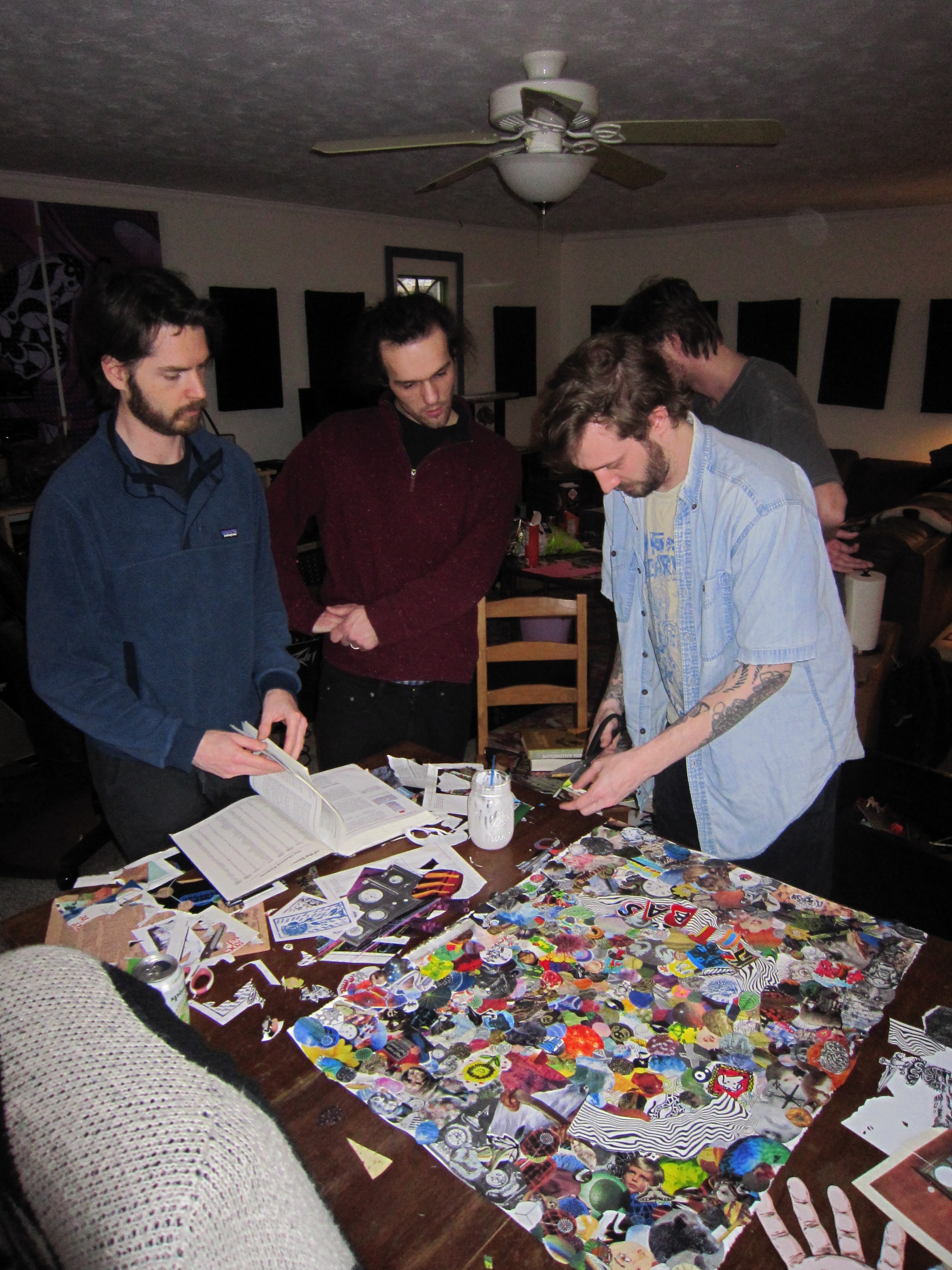
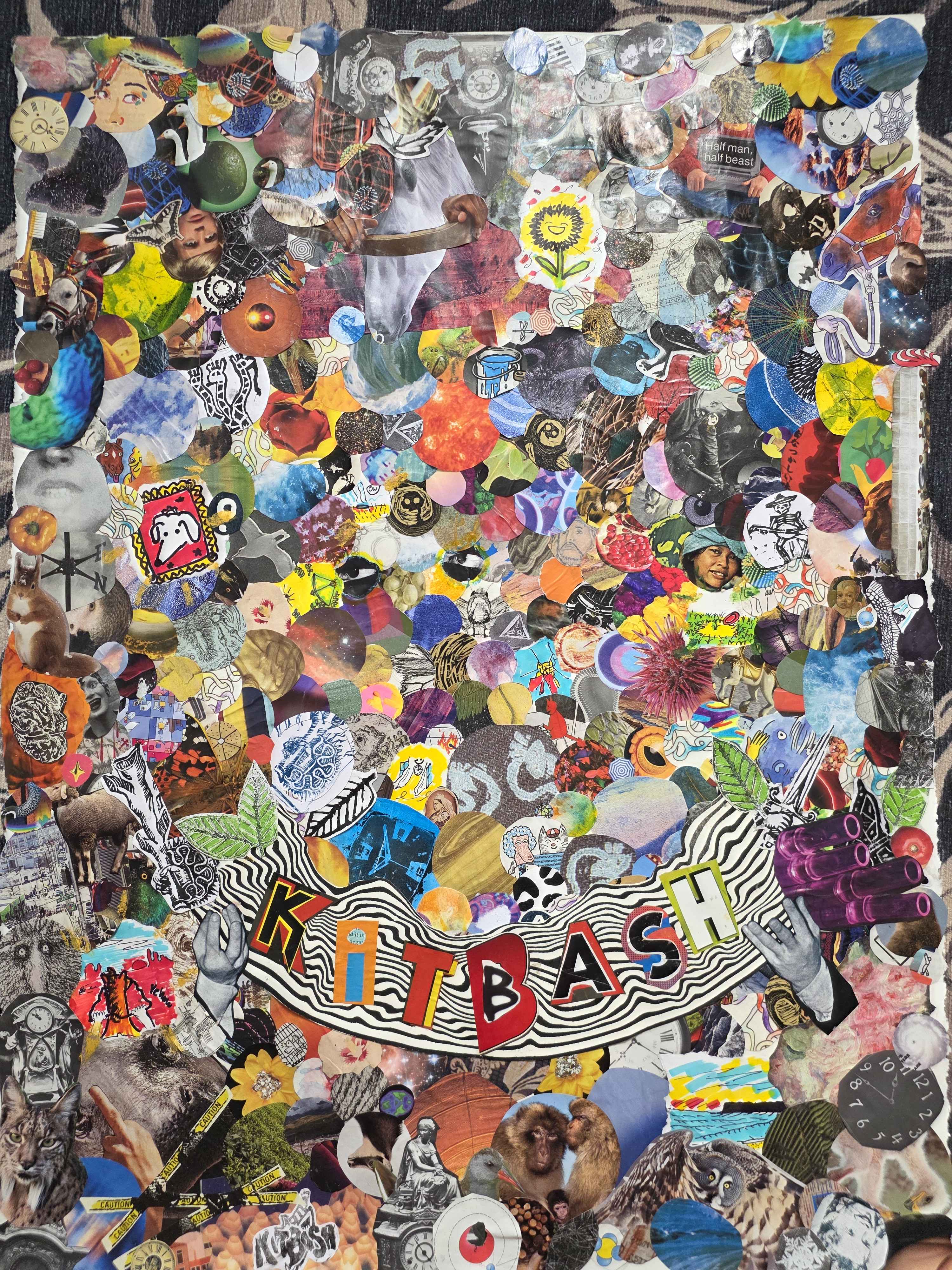
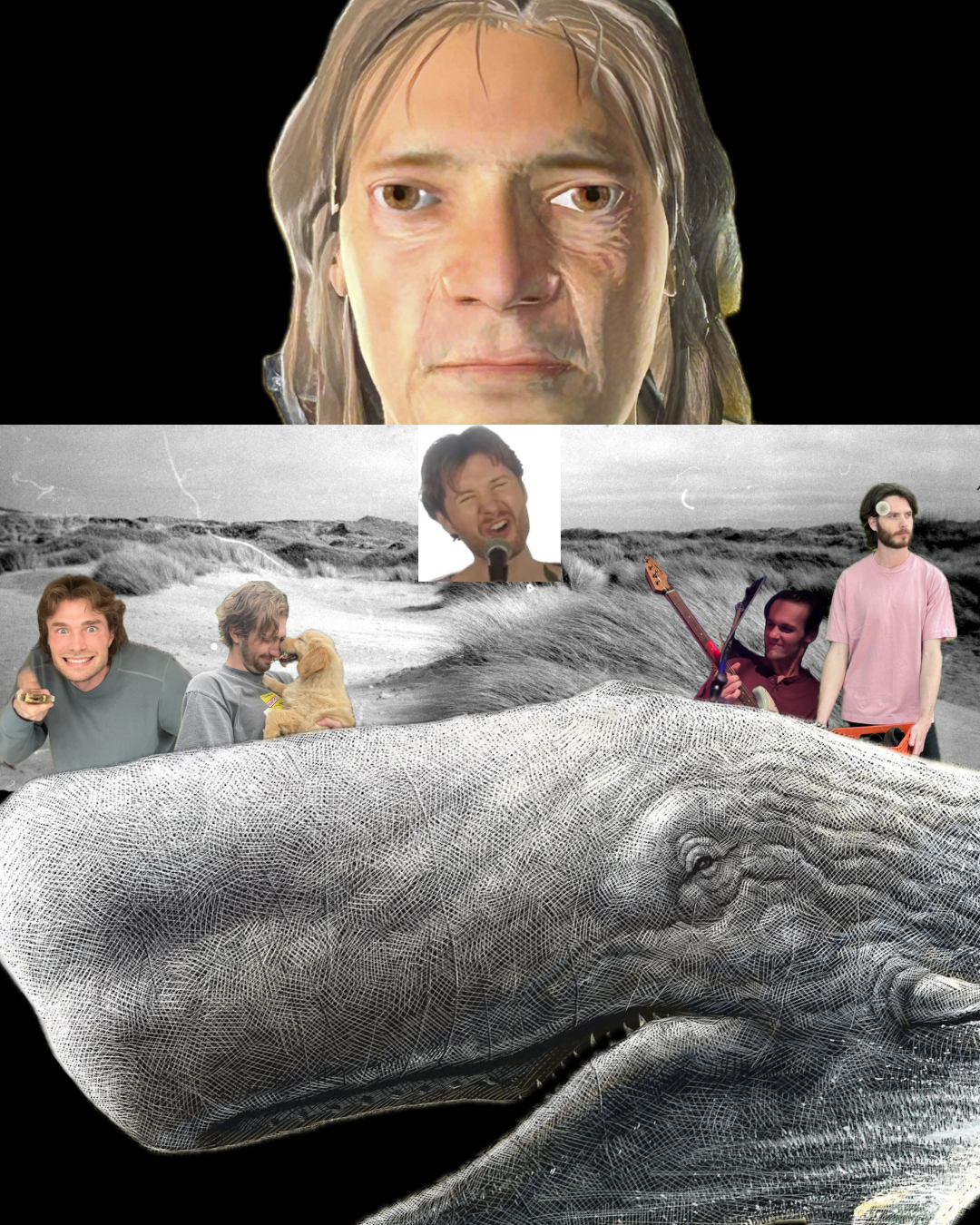
Simon: The album artwork was created with the same spirit as the music. All of us made it together as we finalized the album. We pulled imagery that inspired us, spoke to the stories we were telling, and made us laugh. Together we collaged them together into something that could only be made by bringing together the individual parts, just like the album, just like the band. Each piece of imagery, each album, and each band member have their own context, their own influences, and their own story they want to tell. Kitbashing leads to creating something new and unique that can only be accomplished by taking the individual pieces, collaborating, and injecting our own meaning and context to create art that can only be made by us. I wouldn’t trade it for anything in the world. I hope this album brings you the joy and love it gives me.
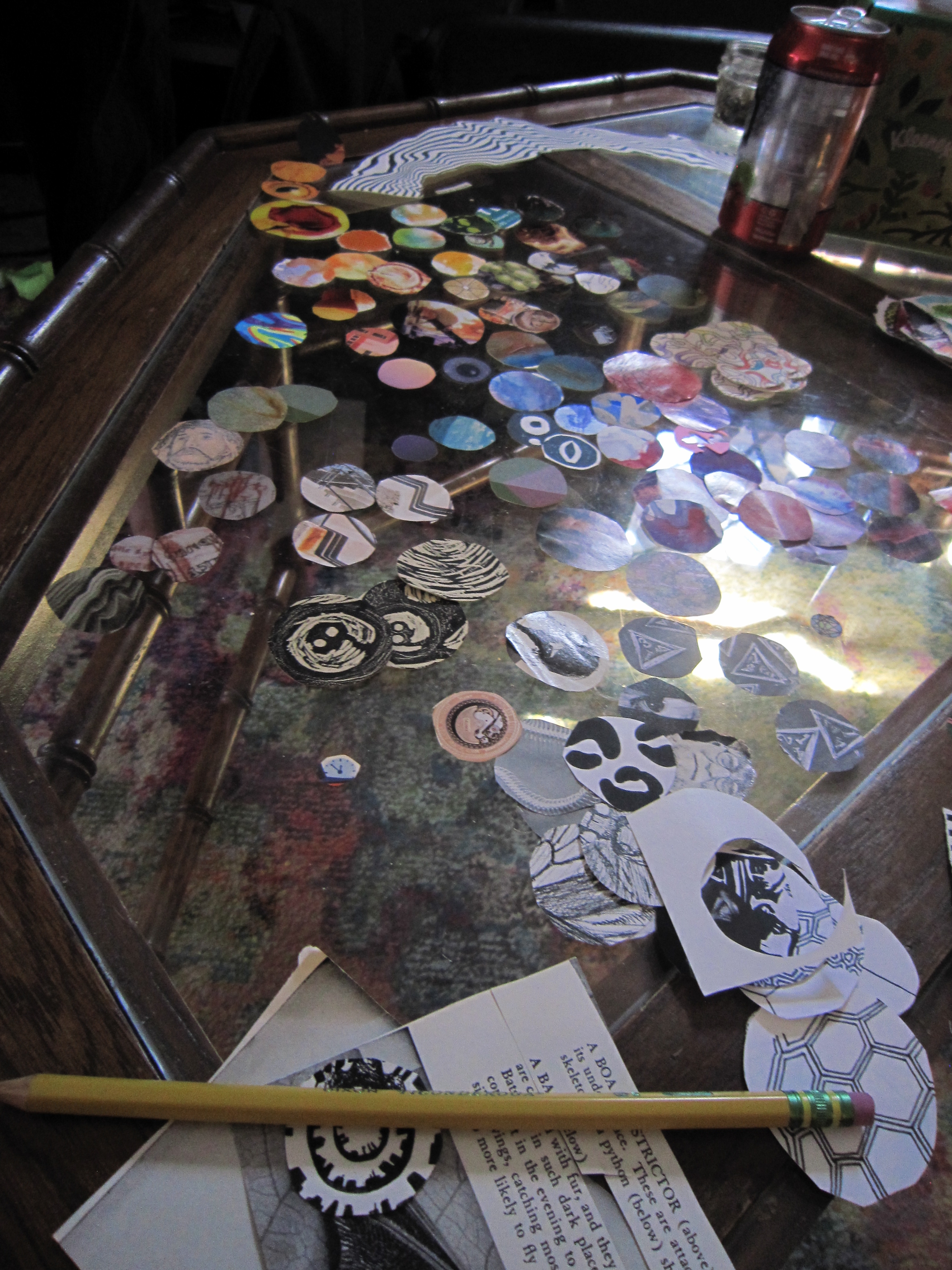
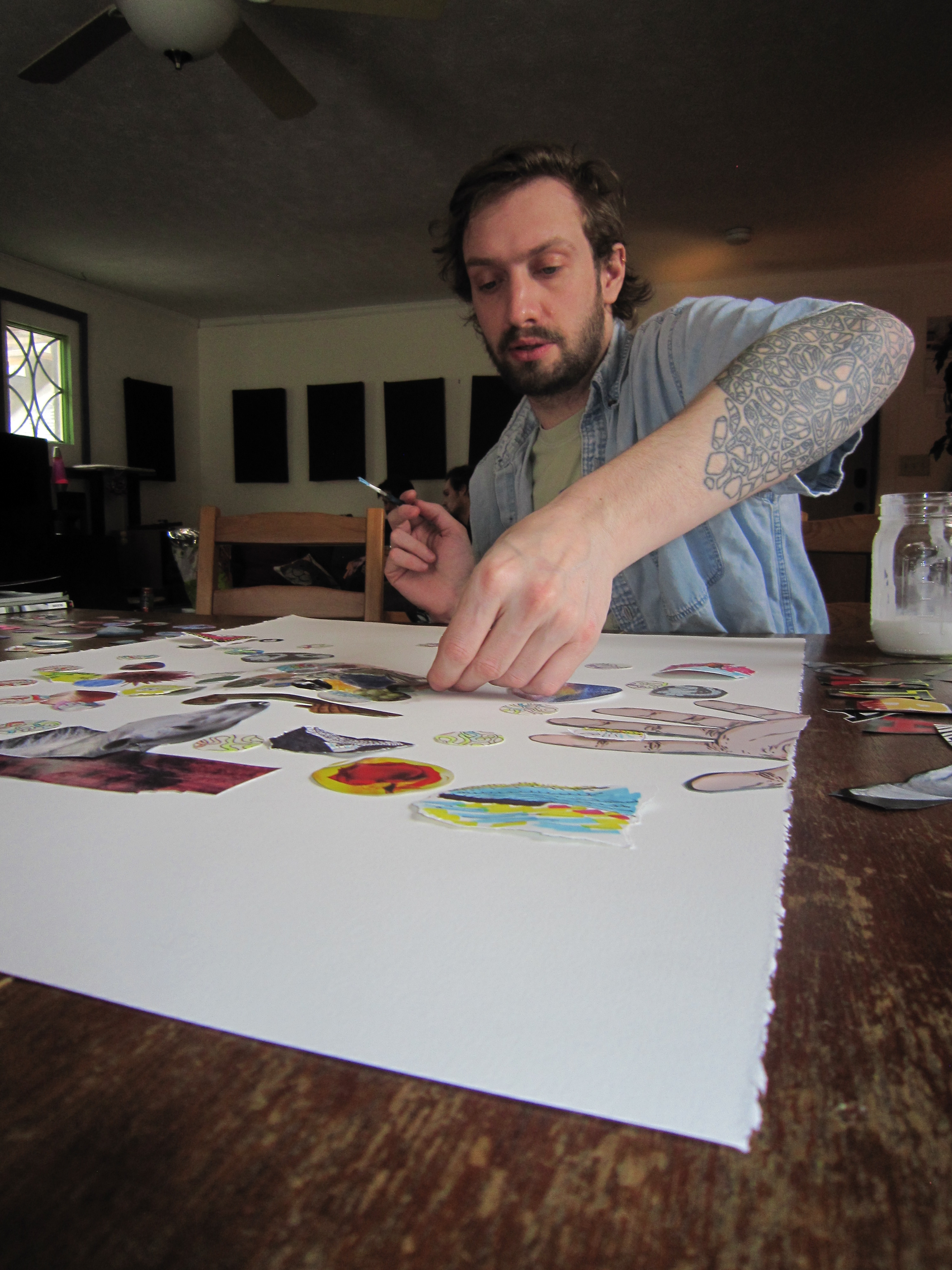
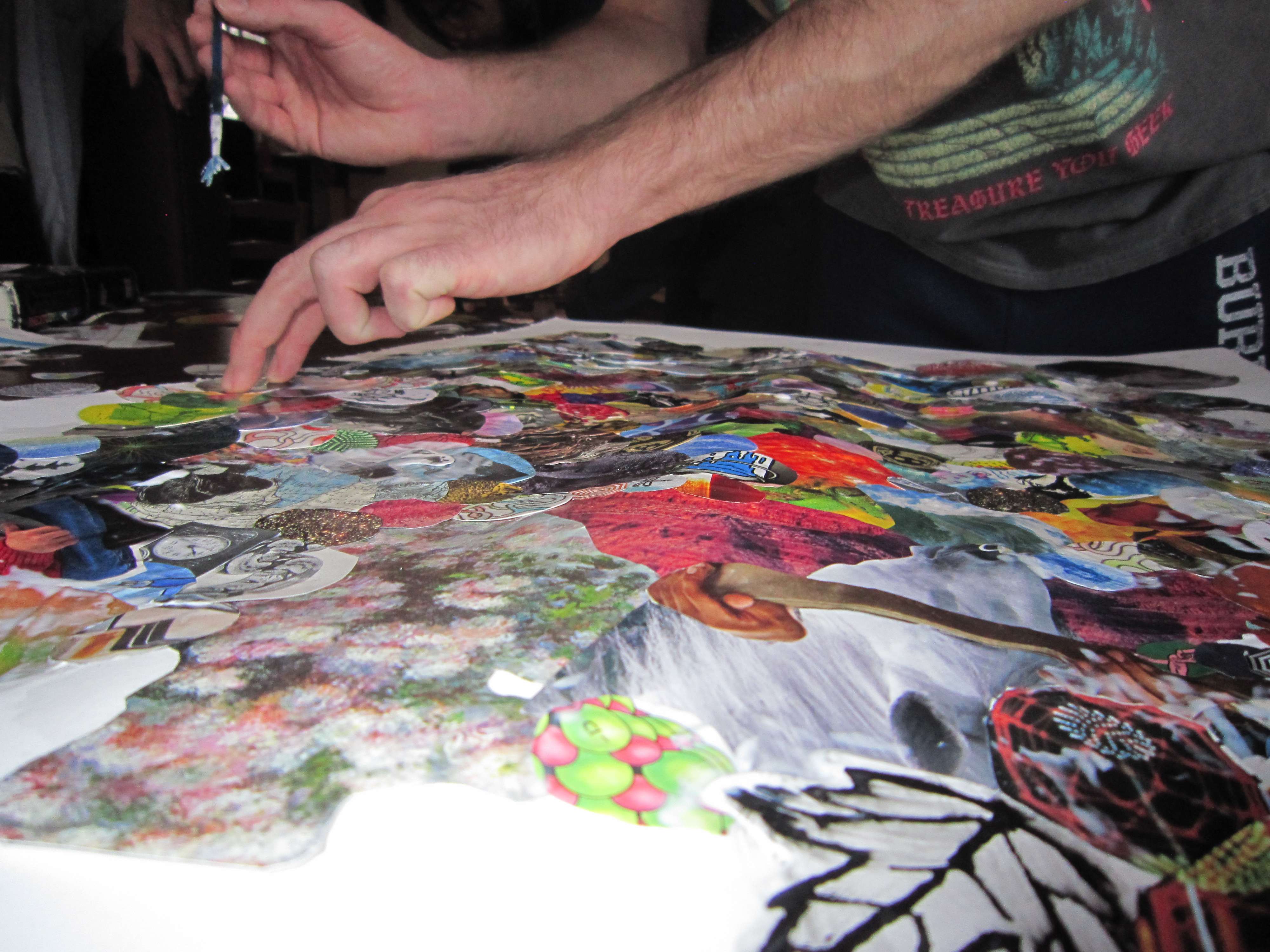
big shoutouts to Eli for making all the wonderful hand-drawn pictures for each of the tracks!
In general, here's who did what:
For more specific breakdowns, check the liner notes.
Iron dog
Chase the last of the cars
Mirror eyes
Glass in his paw
Rusty cog
Fossilize it in tar
Frozen tire
Caught in his jaw
Oh, oh, oh iron dog
[guitar solo - Simon]
Copper fang
Tear the pleather apart
Twisted scraps
Bended and charred
Bark and bang
Motor oil in his heart
Old hubcap
Playing fetch in the yard
Oh, oh, oh iron dog
[guitar solo - Andrew]
In my mind this song snuggles up to Time in Windows. It’s such a fun one because I think everybody wrote their own part. Simon had an awesome vision for this propelling song. We had been messing around with Motorik beats and he wrote main riff and the 7/8 riff, Brendan wrote lyrics. I love how everything comes in, it’s so natural yet exciting. The song is fun to play too— its uplifting vibe makes it fairly forgiving with a guitar solo too haha.
As is basically always the case, the words were written as "scratch lyrics, just so we have something to sing and can start playing this thing" - to the shock of nobody at all, we became very attached to this little dog, and the words stuck. Woof woof woof woof.
This was one of the first songs that we recorded during our big tracking weekend, and all the main instrumentation (except the keys) came from that initial live tracking session. Because it was a very hot day and we couldn't open any windows (lest a far-off neighbor complain about the noise), we ended up playing this song about 10 BPM faster than usual, and barely lived to tell the tale.
The drone sounds in this recording come from two sources - one was Simon using a transducer as a feedback machine on his guitar, and the other was a solar-powered synth that Brendan made, and Ross and Andrew played. You can find some more info and examples in da NerdZone on how that all came together.
The tape at the beginning is a sample from a random self-help tape that Brendan found at the dump a few years ago - it's also sampled on 3 other songs on this album. If you can find all the samples, please write them down on a postcard and send them to our P.O. box for a prize.
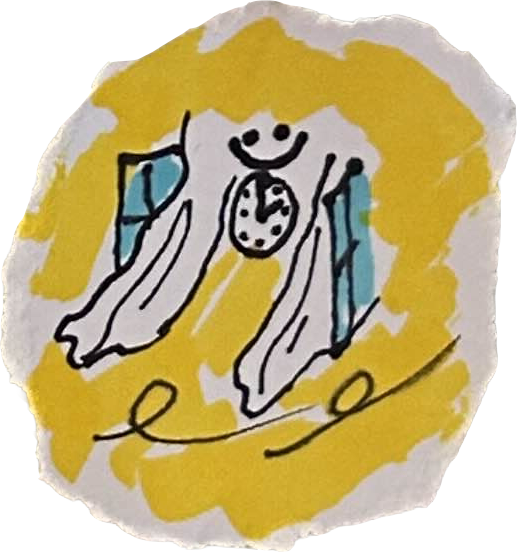
Keep them busy and they will sit down
Slowly finding little will amount
Hurry up now— can’t you get that clout
Time is quicksand— just poke your head on out
Just a window of time
To get around— to get it right
Broken ladders broken toys
But they aren’t far beyond the point
We have bodies that we must maintain
Drops of water can’t escape the drain
When to nourish and find the light of day
Keep on dripping or evaporate
Just a window of time
To get around— to get it right
Broken ladders broken toys
But they aren’t far beyond the point
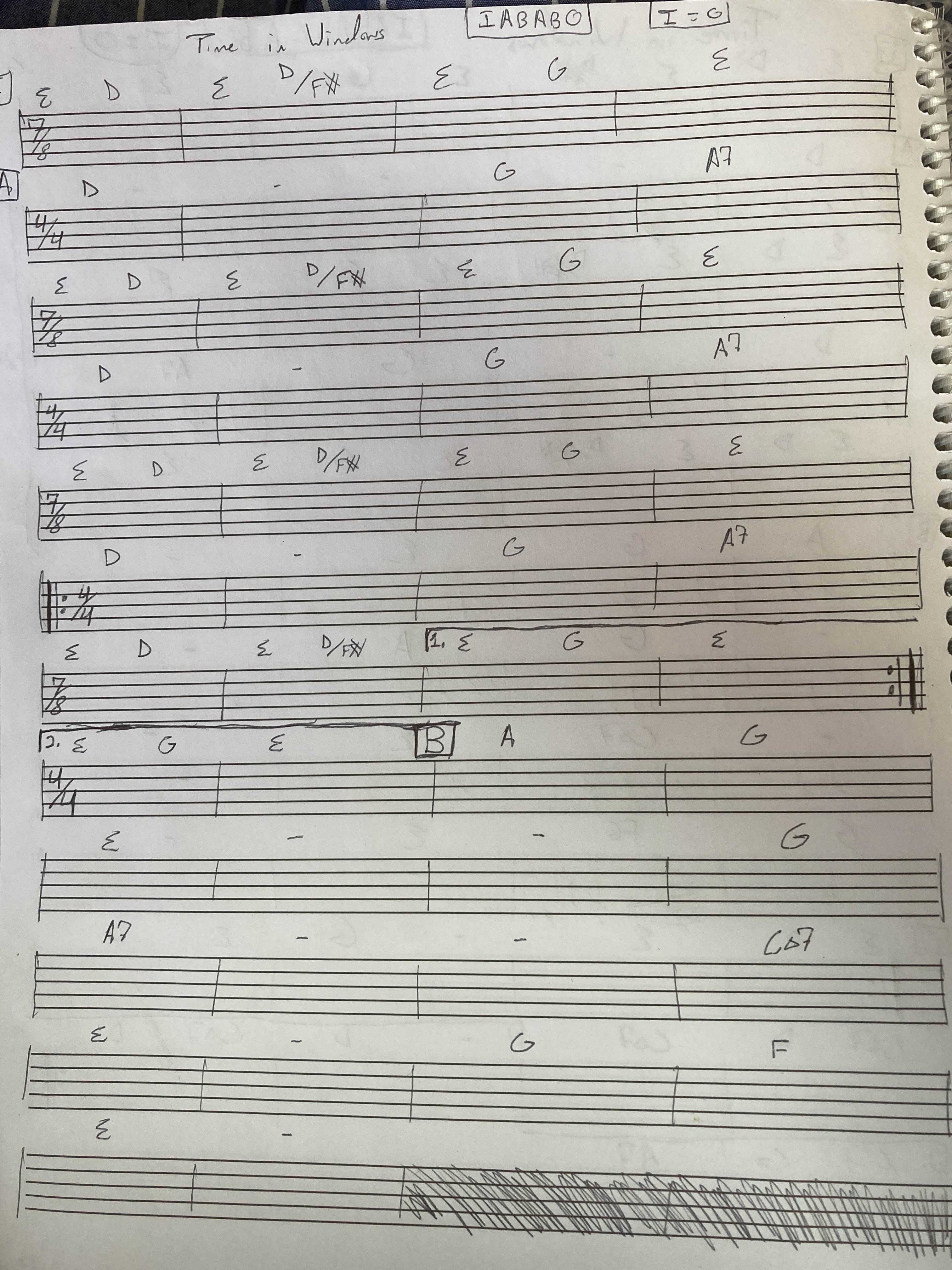
This song came together fairly quick. I remember writing the first stanzas during a very hot summer when I felt very squeezed for time and money, and it felt like a lot of people mighta felt the same.
The music came to me on the porch on guitar and it felt like it could live in the Kitbash universe with some punk and indie vibes. I brought it to the group when Megan was with us and I hoped to get a lot of vocal harmonies and callbacks. Brendan mixed it and got it sounding bigger and badder than I ever pictured. I didn’t write other parts but I had a vague idea for the chorus and it ended up sticking. Still one of my favorites to play these days.
This was the very first song that we tracked for the album, and was going to be a single - we decided to hold off, and promote to "title track" instead. This was *also* the first song that Brendan mixed on the album, and set the tone for how the rest of the album was going to sound. We made the decision to use only "practical effects" when mixing this song - using spring reverb tanks (or using the living room as a reverb chamber); using guitar pedals to process the vocals; etc. Recording the delay on the vocals was especially fun, since we got to "ride" the feedback knob as the song was playing.

Dry ice on naked skin
Leave no trace of where I've been
Sand the tips off fingers
I won't be found out
I hide myself in time
Cut the thread when I was twenty nine
Cells rearranging
They know who I am
And who I've been
Baby teeth in a dixie cup
Dead fly in a pile of dust
Every body's changing
Always shedding skin
So I make myself again
Can't repair where the hair is thin
School picture of somebody
Only share a name
I love him just the same
this one began life as a sort of garage-pop song called "Curse of the Kennedy", but that never made it past the chorus phase. I scrapped that song for parts, and started noodling on the bass over the drum loop from the old song. Things spiraled out from there. Fun fact - I did the weird slide guitar on this one. Why? Who's to say; when my back is up against a wall in verse 2, I just add something unusual.
I love this song. I remember Brendan bringing this song to us and by the end of the day we had parts we felt comfy playing, and had a ball doing it. It has such a youthful vibe, one that reminds me of hanging out in garages when time barely existed. I gotta be careful when I think about it as it’ll get stuck in your head quick like that. You know, cuz it’s soo good.
Since this is one of the poppier songs on the album, we took a bit more of a conventional recording approach - getting scratch tracks of all the instruments together, then overdubbing final takes.
This is the first of several songs that feature Ross' beautiful acoustic guitar (played here by Simon). We mostly mention this just to highlight that Ross is - as far as we know - at least a quintuple threat, playing drums; piano; guitar; trumpet; and singing.
The direction that Andrew was given on the solo section was "Drake and Josh theme song", and by god he delivered.

Gleam– fallen petals
Seldom settle, dancing with light
What did I once spy
These little eyes once were so bright
Through the light of the trees I could suture the shade
Not a need for a scripture to conjure a flame
Unattended but not forfeited
Phlox and the fox
Claws sunk in deep to what once was
Tucked inside
Slid under dormant tiles
(tiles) Can you get a grip
(grip) On a solid stone
(stone) in a garden below
(know) (wow)
After this aster
Within the quantum-lit pasture
Stardust is half of it passed on
What’s left the innermost photon – when chasing
Vessels
Sent to
Find roots
Inwards
Feign not
Full bloom
Finds you
Hands out
Seal must be broken
Words unspoken— clouds of ennui
Flame sits in stasis
One kinesis longing to be
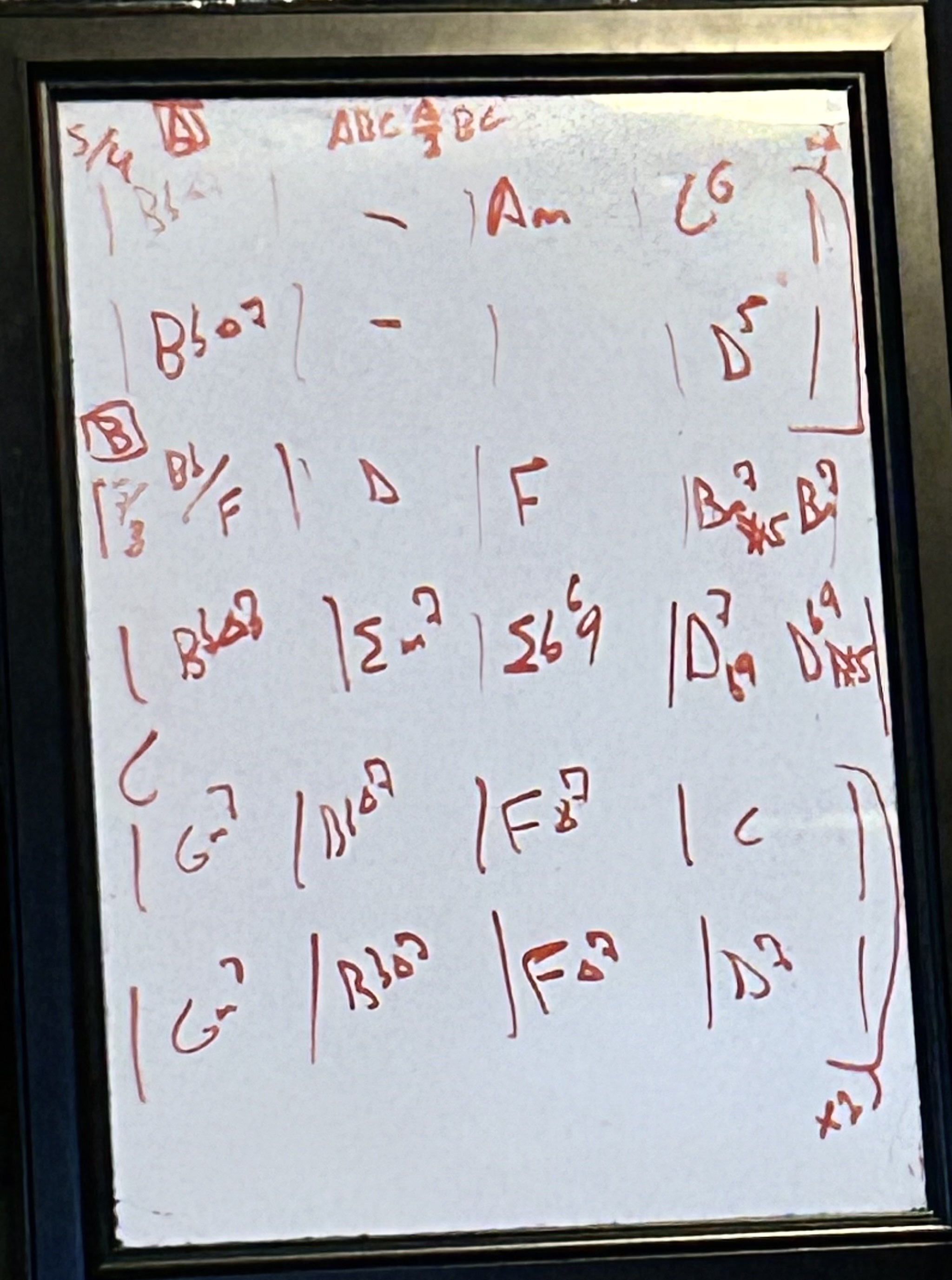
This song I wrote wanting to make something vibey and groovy. I had been frustrated with my own creative output, and I had been reminiscing on how much easier it was when I was younger. That got me doing some soul searching and i ended up learning a bit about myself as a song writer. I think for a while I was too fixated on creating things with cohesion such that I pigeonholed myself. Too much focus on one thing may starve it elsewhere. You gotta bake the bread, you gotta feed your flame. Let the light.
Musically, yeah I wanted to vibe. I feel i naturally gravitate toward more grounded, earthy sounding harmonies but I wanted to branch out into the ethereal stuff as Kitbash seemed to be heading in that direction. The group did awesome things with the song— the callback vocals, the harmonies, the atmospheric glitch vocals. I can’t imagine the rhythm section had it easy but they gave it more groove than I had ever pictured. I love the guitar part Simon cooked up. It’s such a lovely icing on the cake. This song is also so fun to play live— we hit that finalé and I look around and see my friends vibing and dancing around on stage. Success feels good.
Brendan's harmony part in the second verses/end of the song are higher than he can actually sing - we faked this one by slowing the song down and recording at a lower pitch, then speeding back up - more on this in the "Varispeed" section of da NerdZone. Since they already had a synthetic quality because of this, we doubled down with some period-appropriate glitchy autotune. It's a trick we used in Broken Mirror too.

Green fingers
unfurling,
reach for the breeze.
old tendons;
winter sows
atrophies
Dicotyledonous -
split at the seam.
Twin sisters
Sun Hunters
Hide and Seek
Twist and turn,
Pirouette
Take what you need.
Dance of the
Dawn chorus
Nature leads
Skyscraper,
Cloud shaper,
Bathed in the light
One day you'll
Share all the
warmth you hide....
I was listening to too much Hiatus Kaiyote at the start of Spring 2024, and this is what happened. The inclusion of the word "dicotyledenous" breaks my personal record for "most syllables used in a single word in a song".
Something that naturally developed as we were writing the songs for this album was a weird amount of chromatic bass movement - it's on this song, Sun Hunters pt. 2, Inner Gleam, Let's Discuss, Broken Mirror, basically everywhere! I think we were all listening to a lot more jazz fusion between the first album and this one.
Or maybe it's because - whenever there's a break in the action - Eli plays a dorky little chromatic oom-pah lick on his bass, which is very close to the Super Mario Bros. underground theme. Perhaps this was a years-long subliminal campaign on his part to get us to write more chromatic bass parts.
This song is beautiful and we all know it. To me this song gives something microcosmic, like almost like taking a tour of the inside of a chloroplast. I love the lyrics and it is an inspiration everywhere to people looking to slot longer, more sophisticated words into their lyrics. If I had to choose, I think this song takes the cake as far as solos are concerned.
It was a bit daunting at first but this song is very fun to play.
I (Brendan) wrote the demo for this song on my beloved Digitakt, and cut up a drum break that was originally in 4/4 to form the basis of the 5/4 beat. I wanted to replicate that feel of a dusty old drum break when recording/mixing. To help us get the very dry, almost 808-style snare on this song, Ross used a *ton* of damping material on the head of his snare. We then ran the snare through a Sansamp pedal - basically, an Ampeg bass head in a box - to get the added saturation and crunch. The kick and snare also went to my Tascam tape deck for a bit of extra grime.
On the flip side, to get the washed-out guitar sound for Simon's part, we actually ran his initial recording directly through a spring reverb tank which we salvaged from the same amp that we used as our sub-kick microphone - probably one of the most used bits of gear on this album, which you can read about in da NerdZone.
We just want to shout out our intrepid rhythm section (Eli and Ross) on this particular track for absolutely holding it down.
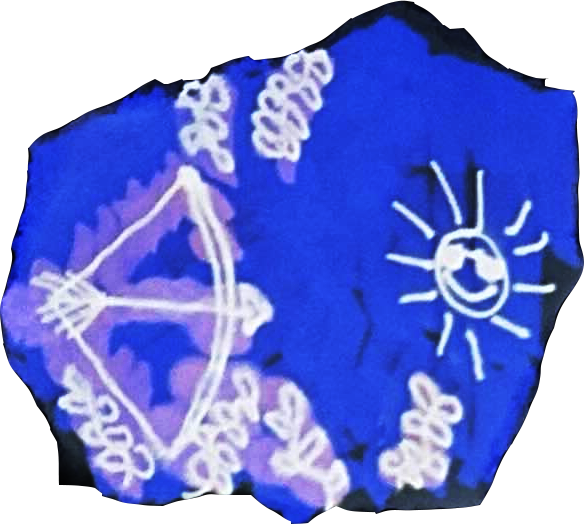
:AAB:
A Section
|Gm6|Gm6-Abmaj7b5|Gm6|Abmaj7b5|
|Gm6|Gm6-Abmaj7b5|Bb6-A7|Abmaj7-Gbmaj7|
B Section
|EbMaj7 | % | C7 | % |
|Dbmaj7b5 | % | D7 | % |
|EbMaj7 | % | C7/E | % |
|Fsus4 | % | D7/F# | % |
This one came into being almost entirely because it was fun to play live - the progression came first, and I thought it would be fun to reference one of our many plant songs (Sprout, off our first album) in the B section of this song.
This song gave us an opportunity to get funky and wild with it, and I think we delivered on that opportunity. Special thanks on that to Simon and Ross for the filthiest of solos.
It is a crime that Ross made it through the entire first album without letting us know that he plays the trumpet - we have made up for lost time on this song and Let's Discuss.
We wanted the end of this song to feel like the world was being ripped apart by Simon's guitar solo - to help with this, we ran the solo through the Chroma Console pedal 3 or 4 times, until it ended up just sounding like glitchy white noise. We then gated a few different iterations of this to the guitar solo, so it ebbs and flows at the same time as the solo does. We think it's a neat effect.
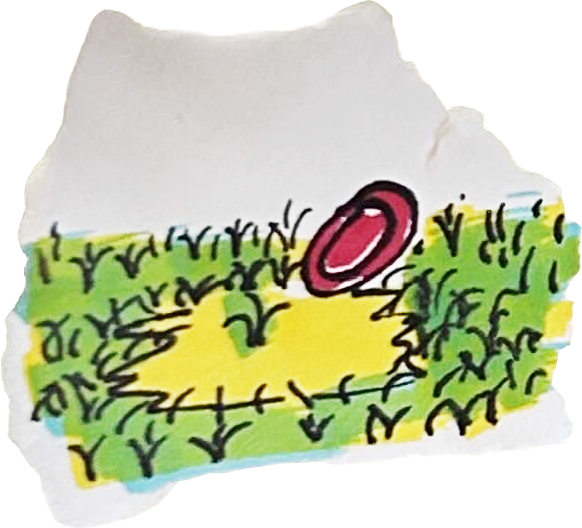
In one ear,
Out a dozen
mouths running
doubting nothing
Heard it from whom?
The credible skew
On the news
Stiff-neckin’
Set in sediment
“Don’t tell me
I placed all my bets”
Tales we tell
Dipped in zeal
For the feels
CHORUS
Let’s discuss
Let's Discuss
Get right on down to it
My cousins
We once saw the same
Light from the source
Invite a change
A fertile mind
A skeptic heart
Beats
AABABCAABCCDE
A:
| Gm7 | - | - | - |
B:
| Bbmaj7 Bo | Eø Ebmaj7 | Cm7 | C7 |
C:
| Gm7 | C5addb7 | C7 (Abmaj7#4) |
| Gm7 | C5addb7 | C7 (Abmaj7#4) |
D:
| D7(#11) | - | - | - |
| - | - | - | - |
| D/A D/Bb | D/Eb D | B5 | B7 |
E:
| F#m7 | B5addb7 | B7 (Gmaj7#4) |
| F#m7 | B5addb7 | B7 (Gmaj7#4) |
This was a song I started writing around 2024. I was feeling anxious about the increasingly polar political climate and I was finding it hard to connect with folks. We’re so far down the path now that it’s hard to establish common ground, but I do think it’s how we’ll mend as a country. Talking to others, especially people who might not think like you, is important. Be open minded, be empathetic. The dialogue/ conversation will save us.
I love salsa music and for a while I wanted to write some kinda salsa track. I had been grooving in 6/8 and found a clave that I liked a lot. My bandmates brought that shi to life. From the clav to the Eli on the flute to Ross on the trumpet. Thank you guys so much ❤️
We have here a classic example of what I refer to as a "Lego-Racers-Ass Solo" - see also "Sprout", from our first album. Why I feel compelled to dial in this ridiculous synth tone and get chromatic with it is anyone's guess, but I solemnly promise to never stop.
We did a lot of collaboration and silly layers on this one - there's a few percussion tracks in the background that we recorded by gathering around a couple sets of room mics with whatever we could get our hands on (rice, popcorn, little frog) and just going nuts. We also pulled Ross' trumpet and Eli's flute out of retirement to add some extra zest to the end of this song.
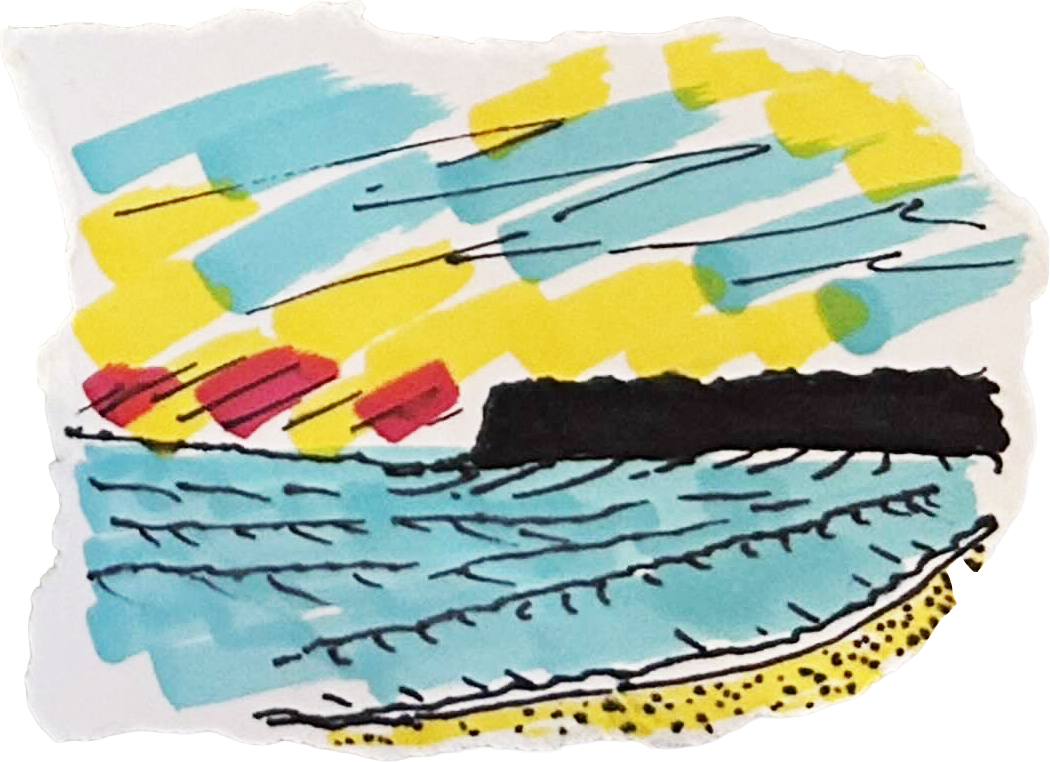
harmonics Ebmaj7(13)
Abmaj7 | Ebmaj13
Ab | Bb | Cbdim
Riff
Repeat A and B section
Ebmaj7 | Bbmaj7/F
Beach Day is one of those songs that wrote itself. I like to put my guitar in new alternate tunings to find new shapes just for fun. I think I have a list on my phone of something like 60 or so different tunings that I’ve been meaning to try out eventually. Anyways, this song was written in an open tuning for an E♭ maj13 chord and I was in my family home on the straights of Mackinaw at the time, which is in my opinion, one of the most amazing places in the world! I was also in the midst of working at an incredibly toxic job and was super stressed out constantly. It almost felt like I was in the eye of a storm, (not to be too dramatic about it!)
I was in this place that means so much to me and is purely peaceful and my days were full of joy, swimming and running in the woods. But on either side of this retreat, I was back at this horrible job. I think, without really putting too much intention into the songwriting, that moment found its way into the song. The time signature changes not once, not twice, but five times; and the tempo ebbs and flows erratically. To have the rest of the band learn this song was definitely a challenge, but not anything out of the ordinary for Kitbash.
I think one of the things that I value most from Kitbash is the feeling of life being breathed into the songs that each of us brings to practice. The initial demo of Beach Day was a hastily recorded guitar and bass track onto my phone’s garageband app, and as all five of us have grown with the song these past few years, it has become something that I never imagined it would be when I first started finding the chords to it as I explored some weird tuning on a beach in Michigan in 2023, and I am so grateful for that :))
Eli showed us this one a while back. IMO it hasn’t changed a ton on paper but our parts definitely did as we felt it out. Eli wrote this on guitar in a different tuning and had a part fleshed out for it so we experimented with a different lineup configuration with him on guitar and Simon/Brendan on bass. I love doing that sorta thing! They both sound so interesting on the other instrument. Love you bass boiz!
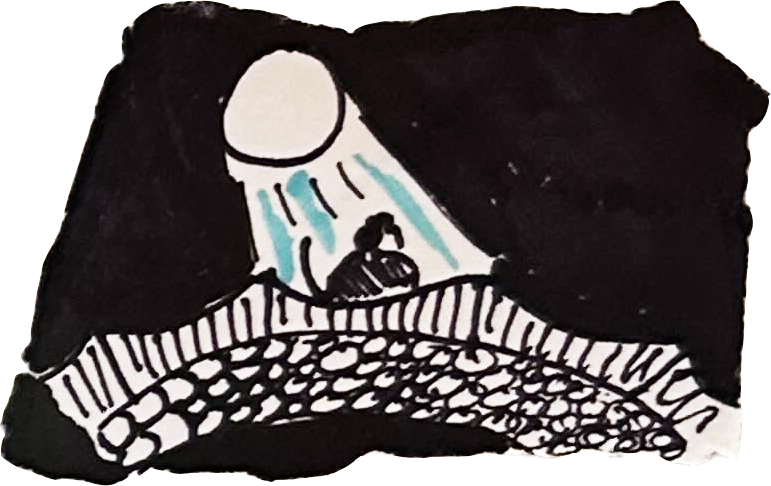
Rogue lit by the moon, clashing on slicing through
Eyes under a veil, cut by fronds of a tail
Drew with a knife– Mark of Cain
Conditioning ricochets
Clenching a fist— rightfully now
Foe that we made
Take your claim
And make off within
Into the blue – baring scars pink in hue
Crowns slightly displaced deem this one a waste
This was another motorik beat baby. I wrote the melody and lyrics pretty quickly. I had been watching a lotta Jojo’s Bizarre Adventure and I fell in love with Jotaro’s theme from the crusaders arc. The melody was so dark and mean yet enduring and empowering, with a hint of twinkle. So, i borrowed the overarching harmony, but tried to write a melody that based itself in a different scale. Ended up breaking that boundary in the end, but it helped steer the vision. The lyrics ended up being about how society makes its monsters by giving up on people, ostracizes them, demonizes them.
This song definitely evolved quite a bit. My goal was to keep the form simple (ish) like a blues, in the hopes that the boundary would conjure creativity within, and that goal was achieved early on. Simon’s lead doubles up the vocal melody but also breaks from it at times— Eli’s bass part walks up and down the court so you could say he’s ballin.
A peek behind the curtain - this might be the song that came together the most easily on the album. All the main instruments were the original "scratch tracks" that we recorded in Summer 2025, and the auxiliary percussion and vocals came together in an afternoon.
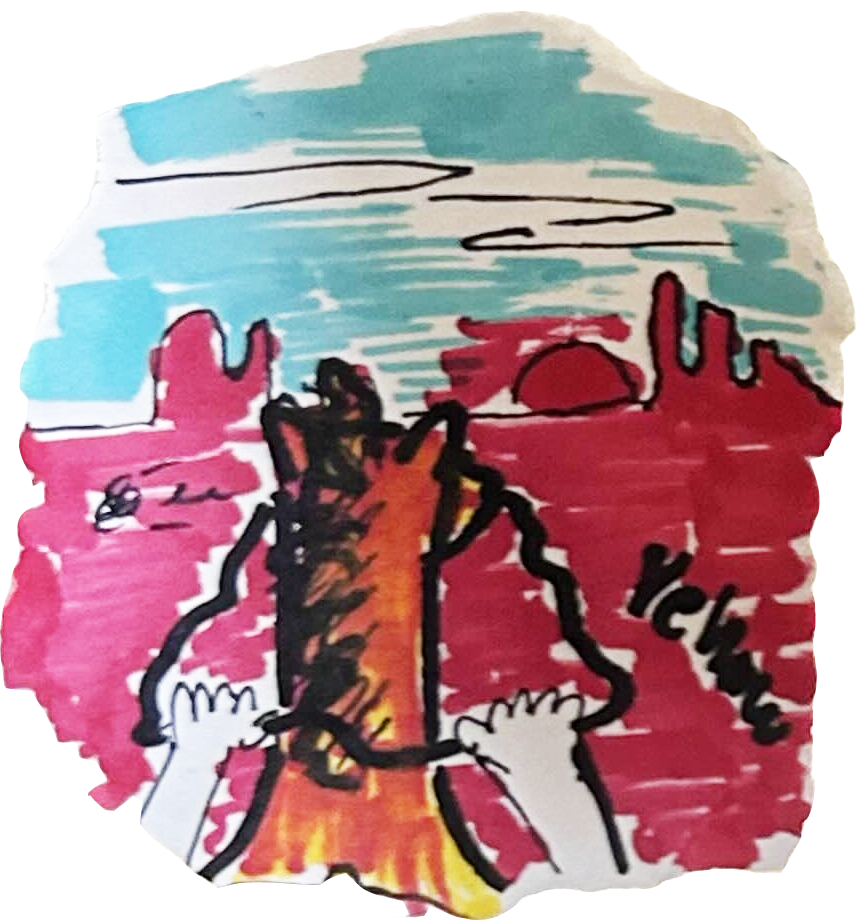
Hands where I can see 'em
You already know
I’ve got the cash, I've got the steel
Ain’t nobody goes
I came in like a fault line
been tearin' up your town
I am the storm that's passing through
It never tickles down
CHORUS
All your blood, your sweat that stains the ground
I’ve been stealing it just to build my cloud
Silver-lined, tailor made
(No more hiding in your shade)
The people work this land
But all the harvest is in my hands
Empty field, barren plains
(Now it's time we take the reigns)
Empty out them pockets
Loosen up them rings
Might take a golden tooth or two
I wanna hear you sing
I leave you in the river
The banks are running red
I am the thunder rollin' in
And this is what I said
[CHORUS]
(We won’t give in, we won’t give in, again)
(We won’t give in, we won’t give in again, again)
[CHORUS]
[CHORUS]
Chorus/A section:
F#m - D - E - C#
D - Bm - C# - C#
F#m - D - E - Fdim
Bm - A - E - E
Verse/B Section:
F#m - C# - F#m - C# -
E - E - Fdim - Fdim
F#m - C# - F#m - C# -
E - E - Fdim - Fdim
Take the Reigns started as a song for my pet project, a space cowboy rock opera. Brendan wrote the majority of the lyrics and keeping to its original spirit, we shaped those lyrics into a multi-voice narrative about wealth inequality, labor exploitation, and collective resistance. Simon, with his deep, dare I say menacing voice (he's the sweetest guy), was made for the antagonist. Everyone else falls in as the people, the protagonists, with Andrew absolutely shredding a guitar solo that becomes yet another voice of the people. We had a lot of back and forth on whether it should be 'rains,' 'reigns,' or 'reins' and we're still not sure we got it right.
When Ross brought this one to the group, i was excited because I could tell it was going to be a new territory for us thematically. I didn’t quite know how it would fit with other material but I figured we’d find a way. The theme and the lyrics are so good. Brendan cooked those up with exquisite phrasing and Ross helped solidify the perspective changes and such.
Something I did not expect was to fall in love with Simon on lead vocals— his voice is so unique and deep. The baritone is generally underused these days in music. I feel this song does a good job of breathing new life into that style of singing.
Def one of the more theatrical tracks. I hope we still see its likes on Ross’s space cowboy rock opera someday
This is the only song in the Kitbash canon which features just one electric guitar, since Simon usually sits it out to focus on singing when we play live. We took that as an opportunity to get some different instruments on this song, and brought in two nylon guitars, which Eli and Andrew improvised on together. Brendan added some very grimy banjo (recorded with the worst mic he has and run through an amp), and we rounded things out with a heaping helping of gang vocals.
This was also the very last song we recorded during our long, hot recording weekend - thankfully, it came together in just two takes, and we were able to get some much-needed outside time to celebrate.

Cells stay safe for seven years
Dawning self that slithers out
Just out of reach
Going- now gone
CHORUS
Memory's a broken mirror
Revenants of us appear
But nobody seems the same
Endlessly they rearrange
The words reverse, the faces change
They wander and can't go home
Cleft perception- looking back
All that time spent counting cracks
As they arose- do they belong
Under your nose?
CHORUS
Memory's a broken mirror
Revenants of us appear
But nobody seems the same
Endlessly they rearrange
The words reverse, the faces change
They wander and can't go home
FORM: ABCABCDBC
A Section
| Em | Cmaj7 | A/C# | Bsus - B |
| Em | Cmaj7 | A/C# | Bsus - B |
| Am | Gmaj7 | F#m7b5 | Bsus - B |
B Section
| E6 | Cmaj7 | C#m | Bm7b5 |
| Amaj7 | Fmaj7b5 | F#m | Bbmaj7b5 |
| E6 | Cmaj7 | C#m | Bm7b5 |
| Amaj7 | Fmaj7b5 | F#m | Bbmaj7b5 |
C Section
|Bbmaj7b5 | % | % | % |
D Section
|: Fmaj7b5 | % | F#m | # :|
This song started life as a progression that I wrote to practice my pentatonic scales - I called it "pent up, pent down", because I would practice E major pentatonic when ascending, an E minor pentatonic when descending. Stepping momentarily into da NerdZone: the fancy name for what we're doing with the chords in this song is "modal interchange" - keeping a fixed tonal center (E), but changing the mode from ionian to aeolian with (almost) every chord change in the chorus and solo section.
The end result is this unsteady shifting sound with only a few consistent notes throughout - Simon's holding down the fort with three notes (E, A, B) that work in both E major and minor, and they begin to take on entirely new meaning with each new chord. Sometimes those notes are at war with what's around them, and sometimes they feel like home. It's probably the easiest part I've ever given someone in the band, but it's what the song's all about. It feels (to me) like trying to stand still while time changes everything around you.
I hate solos. I hate listening to them, I hate writing them, I hate playing them. This is largely because I'm not very good at improvising melodies, and am jealous of people who are. I gave myself a solo on this song - the longest one on the album, and the longest one I've ever recorded - partly to try and get over that block. But, at the risk of being too earnest, I also felt like I needed to write something beautiful and honest, and this gave me plenty of space to do it.
I love this song. I remember Brendan bringing in these chords— LOTS of them— and having us learn them. At first I remember thinking ‘this may be too many chords’ but then you get used to them. And once you got them down, you realize each one is merited if not demanded by the one preceding it. Kinda reminds me of Chega de Saudade in that sense.
Brendan wrote the lyrics to the chorus and left the verses open for us so I wrote some lyrics for the verses. I’m very grateful to have gotten to sing this one. It caps the album off in a nice way, like the climax you might not have expected. Feels therapeutic. Such a bitchin’ solo too.
when Brendan first brought this song to the band, they showed me the bassline and I just looked at him like 🤪 It was so technically demanding for me at the time, especially given the tempo we play the song at. But the challenge posed to me with this song (along with a few others in our repertoire) gave me this explosion of growth as a bass player.
Broken Mirror is now one of my favorite songs to play and, to me, it really is a time capsule of my own personal journey with my instrument. I wouldn’t be half the player I am without the collaboration and influence of these 4 friends of mine 🙂
The drones on this song are the same ones that are featured at the start of Iron Dog - partly to give some symmetry to the album, but mostly because we liked them so much that we didn't think it was proper to confine them to just one song. Once we carried these over, we decided to grab some other bits from the start of Iron Dog, throw them in reverse, and we ended up with a (nearly) perfect loop - from the last song all the way back to the start.
We wanted the end of this song to be "the most Kitbash, by quantity" - there ended up being about 100 tracks on this song, most of which are only present in the last minute or so.
Out of all the songs he's recorded, this is probably the one that Brendan is proudest of.

You could also have text over here…
or go full bleed